
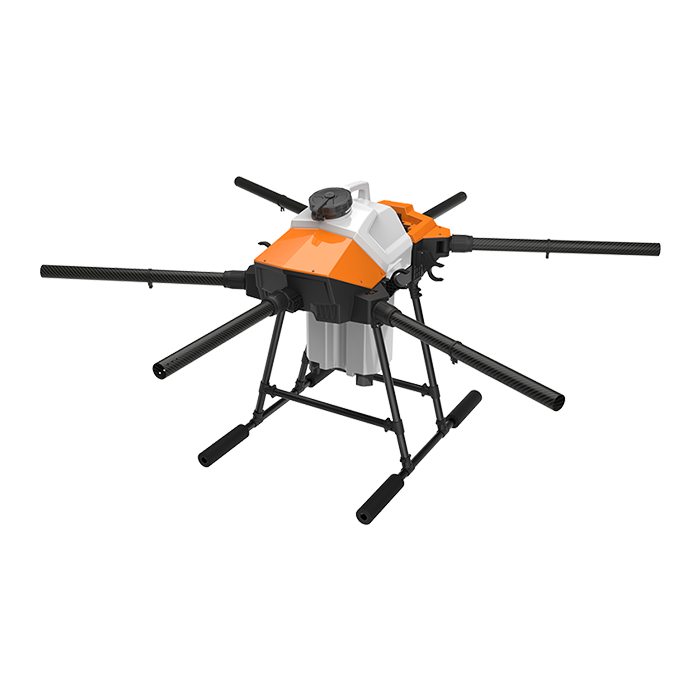
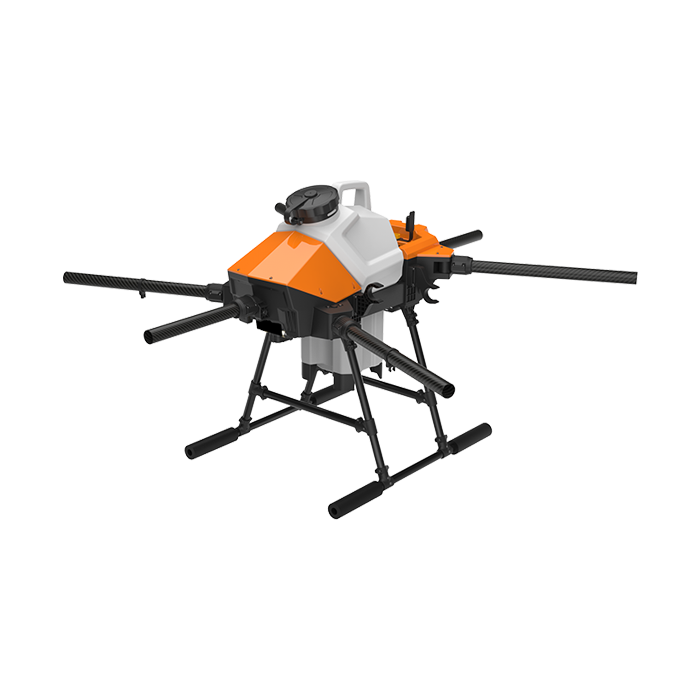
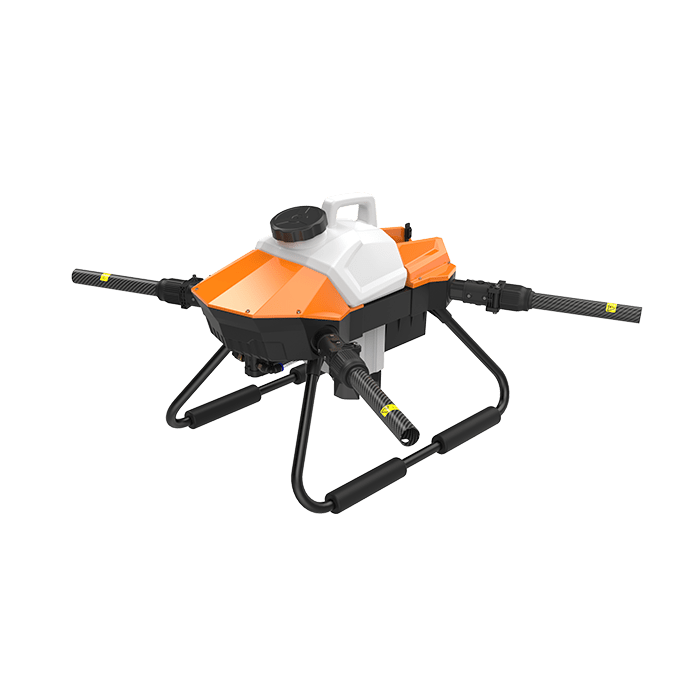
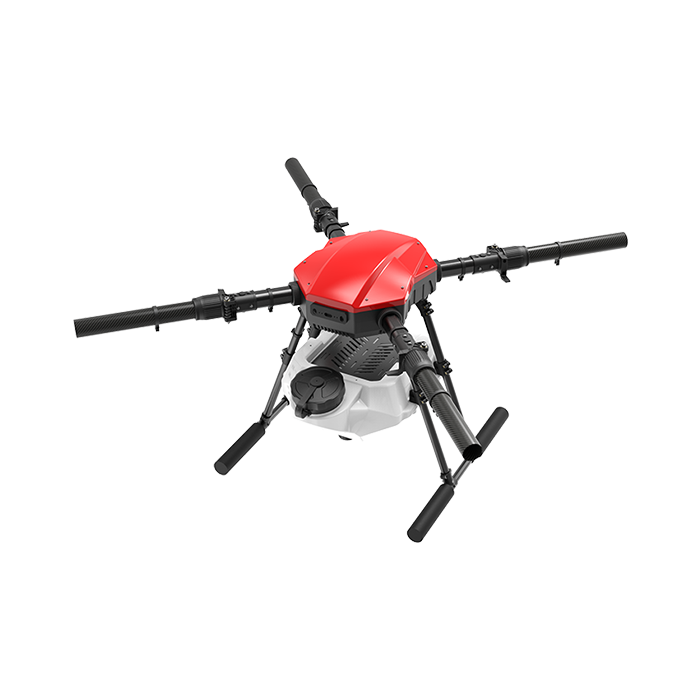
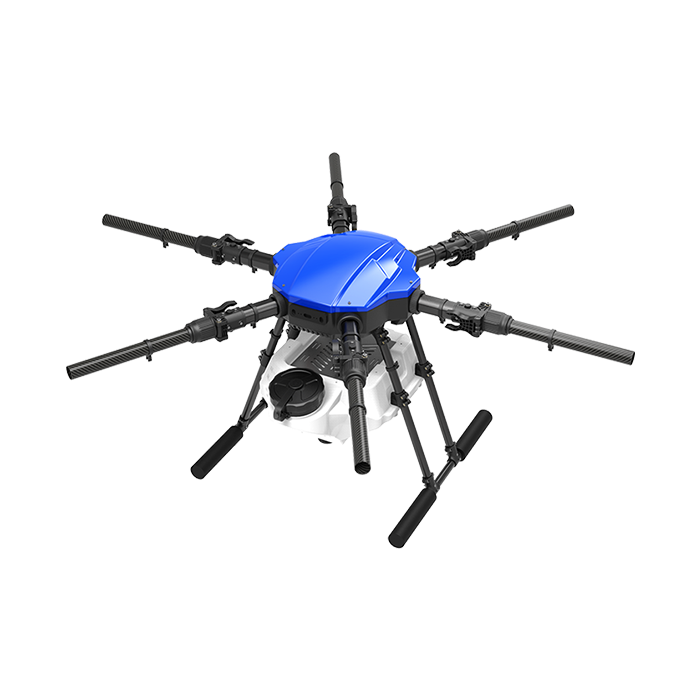
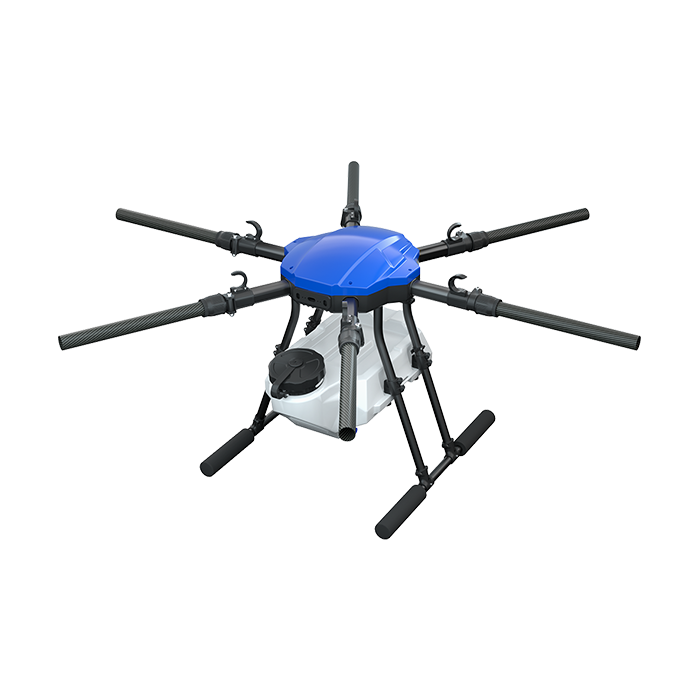
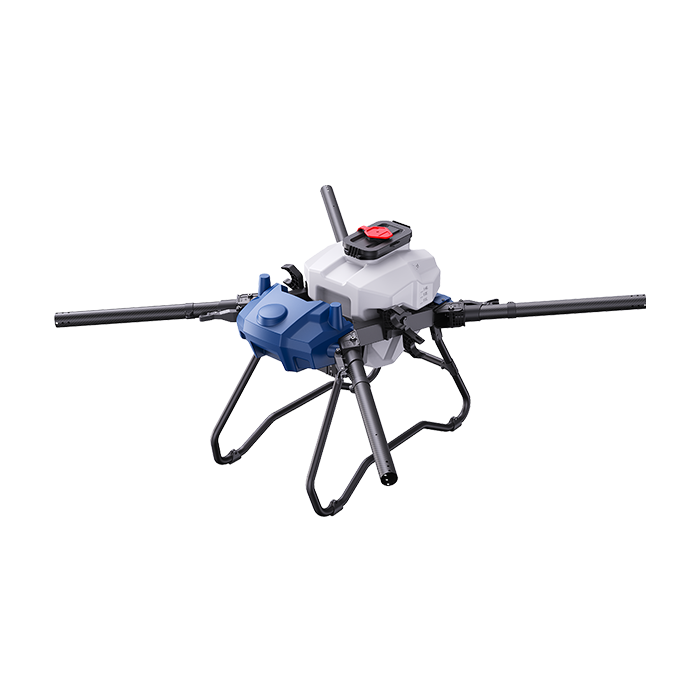
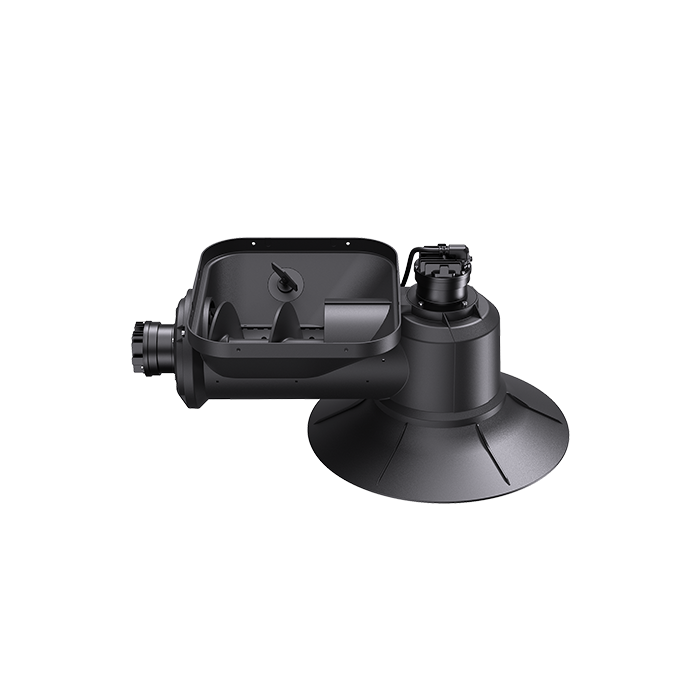

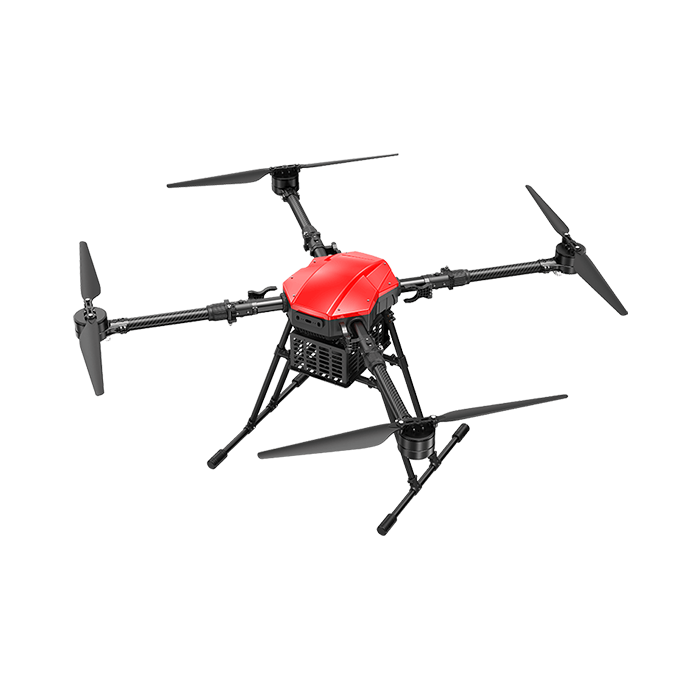
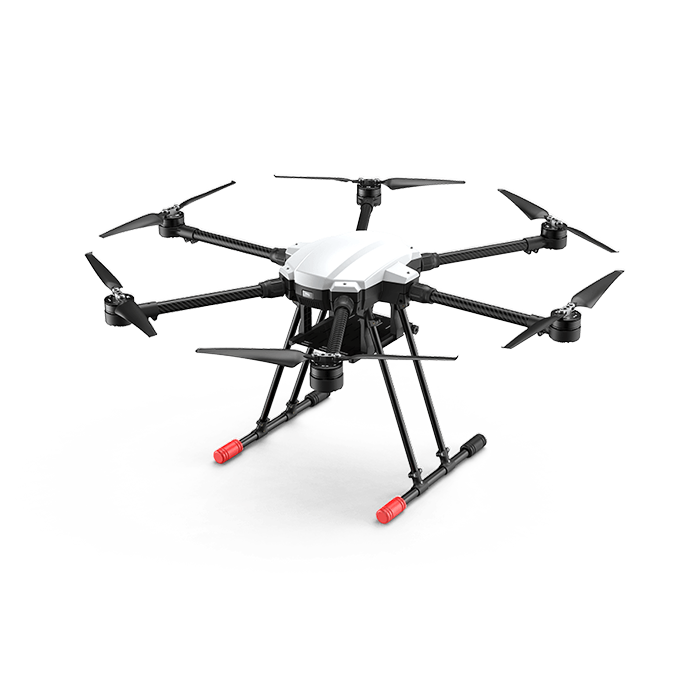
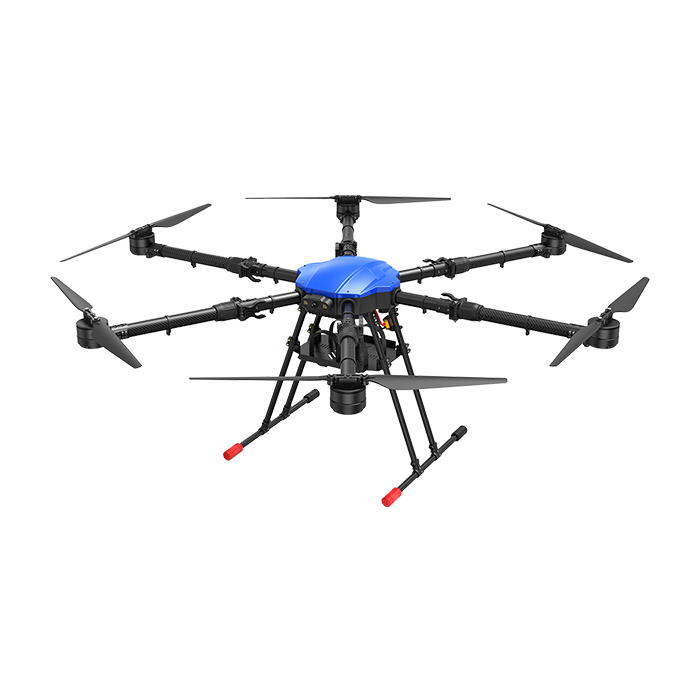

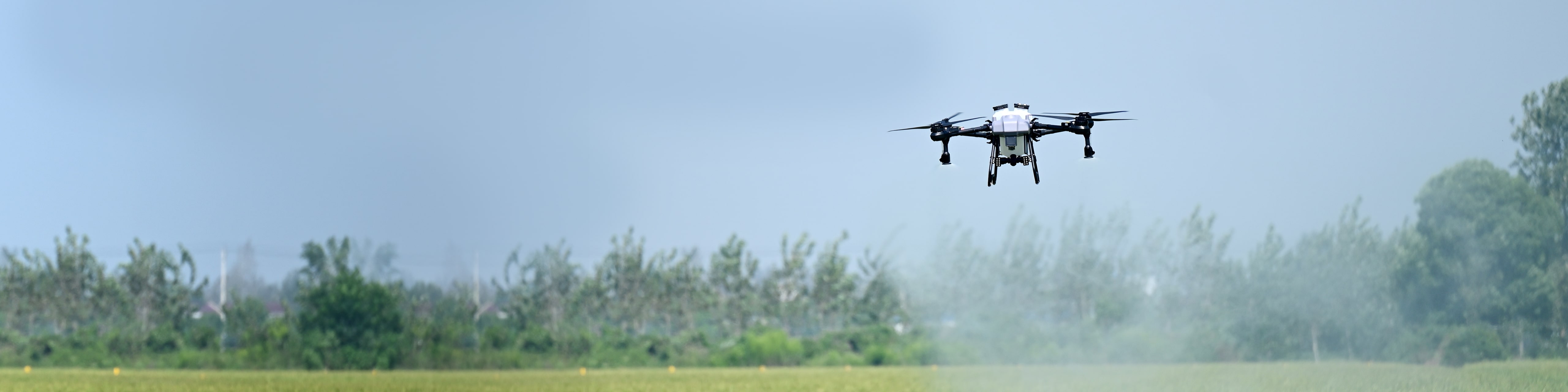
Agricultural spraying drones are changing how farmers and professional application teams manage crop protection, fertilization, and field operations. Compared with conventional ground-based spraying equipment, multirotor drones can access difficult terrain, follow planned flight routes, and apply liquids over crops without requiring machinery to travel directly through the field.
However, not all agricultural spraying drones are designed for the same operating conditions. Tank capacity, spray flow rate, effective spray width, droplet control, flight planning, battery logistics, and local service support all influence which platform is suitable for a particular operation.
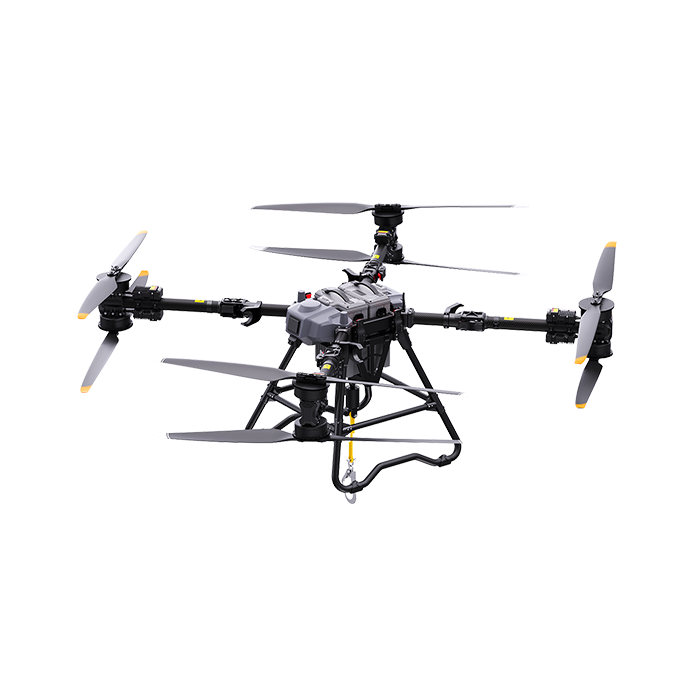
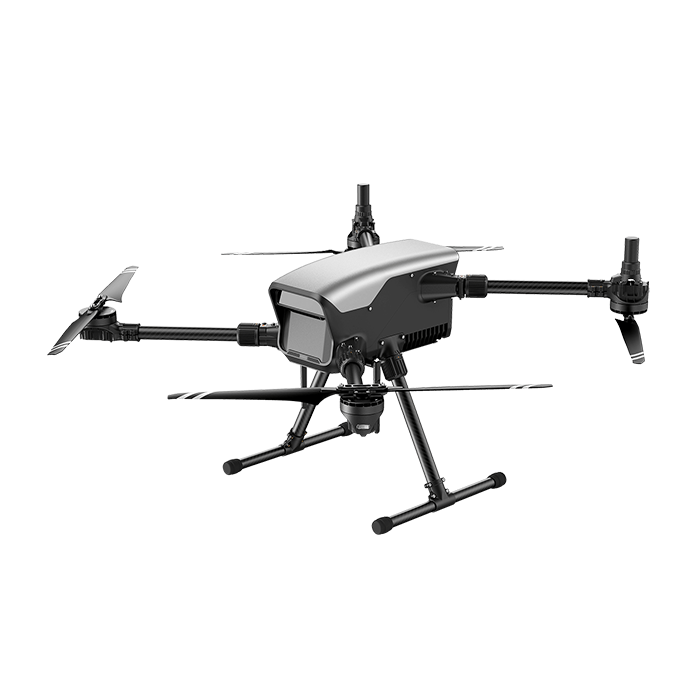
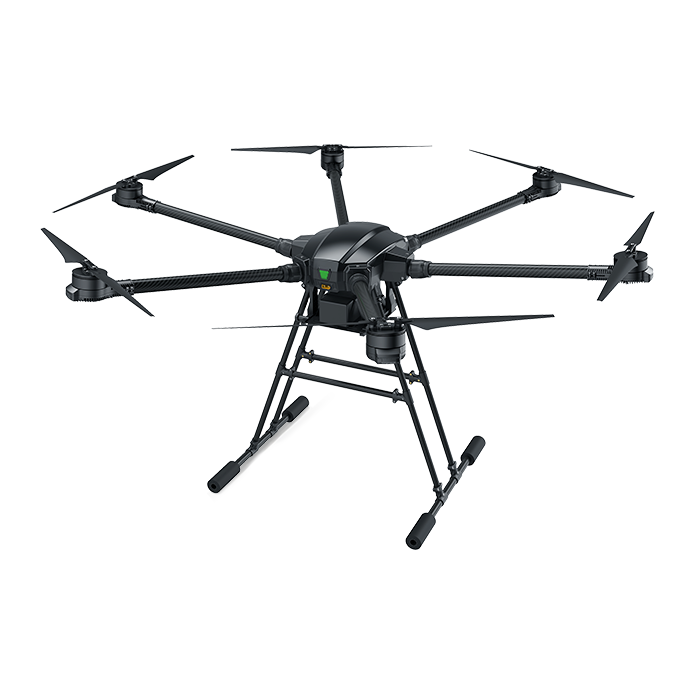
This guide compares four current multirotor agricultural platforms: the DJI Agras T70P, DJI Agras T100, XAG P150, and EFT Z80. It examines their published specifications, application capabilities, and theoretical coverage based on a consistent spray-volume assumption. The goal is to help operators narrow options using transparent criteria rather than to declare a single overall winner.
Important methodology note: This is a specification-based comparison, not a controlled field-test ranking. Manufacturer-reported figures may use different configurations, test conditions, and measurement methods. The theoretical coverage calculations below use a common application-volume assumption (2 US gallons per acre) and should not be interpreted as measured field productivity. Always reconfirm specifications against the current model version and your intended operating conditions.
Quick Comparison: Key Specifications
| Drone Model | Spray Tank Capacity | Published Maximum Spray Flow Rate | Published Spray Width | Key Application Consideration |
|---|---|---|---|---|
| DJI Agras T70P | 70 L | 30 L/min (2 nozzles) 40 L/min (4 nozzles optional) | 4–11 m | Balanced capacity with integrated spraying, spreading & lifting |
| DJI Agras T100 | 100 L | 30 L/min (2 nozzles) 40 L/min (4 nozzles optional) | 5–13 m | Flagship high-capacity platform for large-area operations |
| XAG P150 | 70 L (max / smart tank) | Up to 30 L/min | 5–10 m | High-speed spraying with intelligent liquid management |
| EFT Z80 | 80 L | Up to 36 L/min | 5–10 m | Heavy-load modular platform for spraying, spreading & lifting |
Specifications should be reconfirmed against the current model version and configuration before purchase. Maximum flow rates and spray widths are not necessarily achieved simultaneously. Local regulations, battery systems, and service availability can be decisive factors beyond the numbers above.
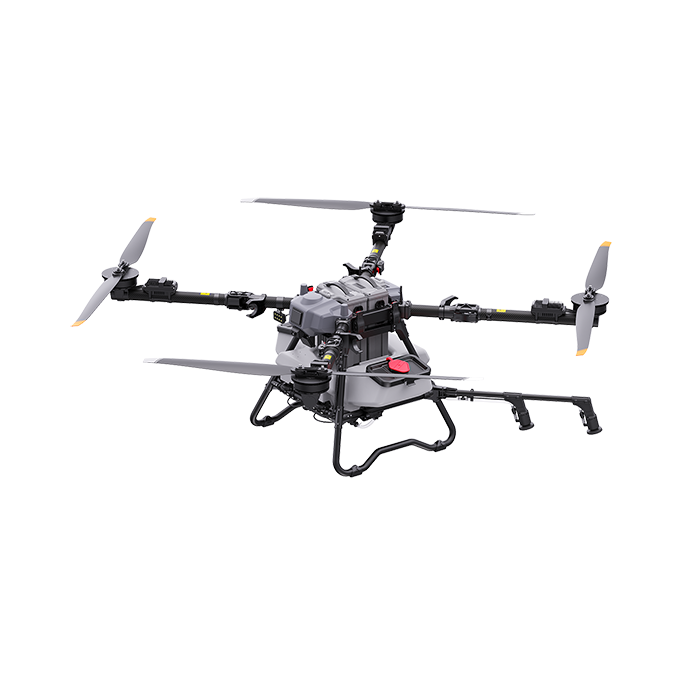
1. DJI Agras T70P: Balanced High-Capacity Platform
The DJI Agras T70P is positioned as a flexible mid-to-large capacity agricultural drone. It offers a 70 L spray tank, a 100 L spreading system, and lifting capability, aiming to balance payload with operational practicality for medium and large fields.
Key Specifications
- Spray tank capacity: 70 L (operating payload up to 70 kg)
- Maximum spray flow rate: 30 L/min with two nozzles; up to 40 L/min with optional four nozzles
- Published spray width: 4–11 m
- Droplet size range: 50–500 μm
- Spreading tank volume: 100 L (up to ~70 kg payload)
- Maximum spreading output: Up to 400 kg/min (compound fertilizer, material-dependent)
- Lifting capacity: Approximately 65 kg (configuration-dependent)
What Stands Out
The T70P sits between smaller legacy models and the flagship T100. It retains DJI’s integrated ecosystem for flight planning, RTK positioning, and safety sensing while delivering substantially higher liquid capacity than earlier 40 L platforms. Dual magnetic-drive impeller pumps and dual-atomizing nozzles support consistent flow control across a wide droplet range.
For operators who need more than a mid-size tank but do not require the full size and weight of the T100, the T70P offers a practical middle ground with established service networks in many markets.
What to Consider
Tank capacity and maximum flow rate do not establish actual field productivity. Battery choice (DB1580 vs DB2160), local terrain, and refill logistics affect daily output. The 70 L tank provides solid theoretical coverage but remains lower than the T100 and EFT Z80 in nominal liquid volume.
Best suited for: Operators seeking a balanced DJI platform with strong ecosystem support for medium-to-large fields that need both spraying and spreading capability.
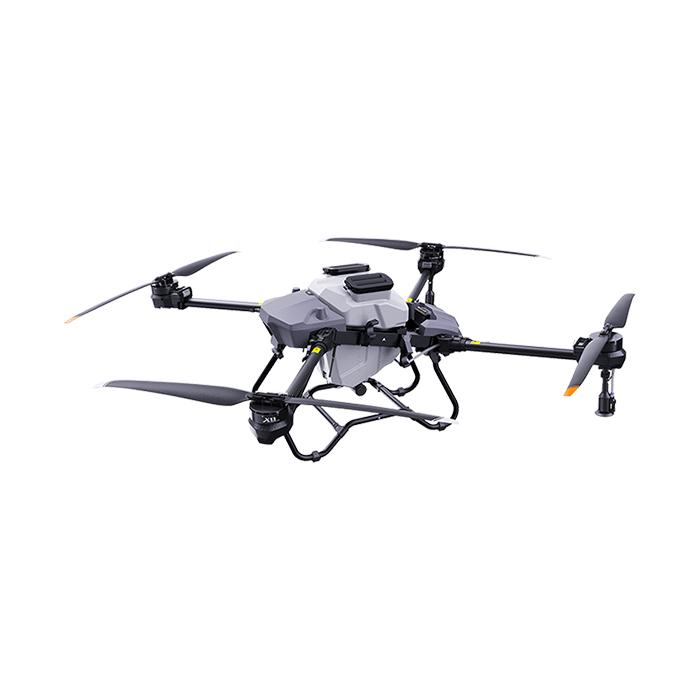
2. DJI Agras T100: Flagship High-Capacity Platform
The DJI Agras T100 is DJI’s largest agricultural multirotor in the current lineup. With a 100 L spray tank, 150 L spreading system, and up to 100 kg lifting capacity, it is designed for large-area operations and multi-role agricultural work.
Key Specifications
- Spray tank capacity: 100 L (operating payload up to 100 kg)
- Maximum spray flow rate: 30 L/min with two nozzles; up to 40 L/min with optional four nozzles
- Published spray width: 5–13 m
- Droplet size range: 50–500 μm
- Spreading tank volume: 150 L (up to ~100 kg payload)
- Maximum spreading output: Up to 400 kg/min (compound fertilizer, material-dependent)
- Lifting capacity: Up to 100 kg (configuration-dependent)
What Stands Out
The T100 delivers the highest nominal spray tank capacity among the four models in this comparison. Combined with a wider published spray width range and a larger spreading hopper, it is aimed at operators who prioritize maximum liquid volume per flight and multi-task flexibility (spraying + spreading + lifting).
Advanced sensing (LiDAR + millimeter-wave radar + multi-vision) and the mature DJI agriculture software ecosystem are important practical advantages for teams already invested in DJI workflows.
What to Consider
Higher capacity comes with greater aircraft weight and logistical requirements. Operators should evaluate battery turnaround, field access, and whether the full 100 L capacity is routinely usable under local weight and regulatory limits. Maximum flow and spray width figures are not achieved simultaneously under all conditions.
Best suited for: Large-scale operators and service providers who need maximum tank capacity and multi-role capability within the DJI ecosystem.
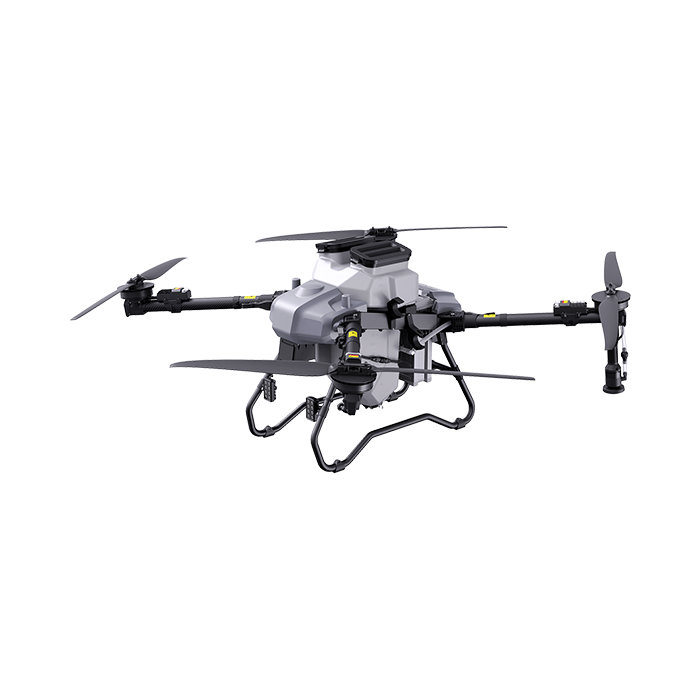
3. XAG P150: High-Speed Intelligent Spraying Platform
The XAG P150 is designed around high operating speed and intelligent liquid management. Its smart liquid tank is commonly listed with a maximum capacity of 70 L and a maximum flow rate of 30 L/min, paired with centrifugal atomizing nozzles and real-time liquid-level sensing.
Key Specifications
- Spray tank capacity: Rated ~60 L / maximum 70 L (smart liquid tank)
- Maximum spray flow rate: Up to 30 L/min (dual pumps)
- Published spray width: 5–10 m (subject to height, dosage, and environment)
- Droplet size range: Approximately 60–500 μm (configuration- and condition-dependent)
- Spreading container capacity: 115 L (rated payload around 70 kg)
- Maximum spreading output: Up to ~280 kg/min (material-dependent; tested with urea/compound fertilizer in published data)
What Stands Out
XAG emphasizes high flight speed (published up to 18 m/s in some materials), intelligent tank sensing that reduces foam interference, and efficient refill design. The platform is frequently positioned for operators who value speed and consistent application quality on larger open fields.
The modular RevoSpray / RevoCast approach allows switching between liquid and granular work. Actual usable capacity and performance depend on the exact spray or spread module installed.
What to Consider
Published maximum tank volume is 70 L, placing it in the same nominal liquid class as the T70P. Flow rate peaks at 30 L/min in standard dual-pump configuration. Operators should confirm the exact tank and nozzle configuration offered in their region and verify local service coverage.
Best suited for: Operators prioritizing high operating speed and intelligent liquid management on medium-to-large open fields, especially where XAG support is strong.
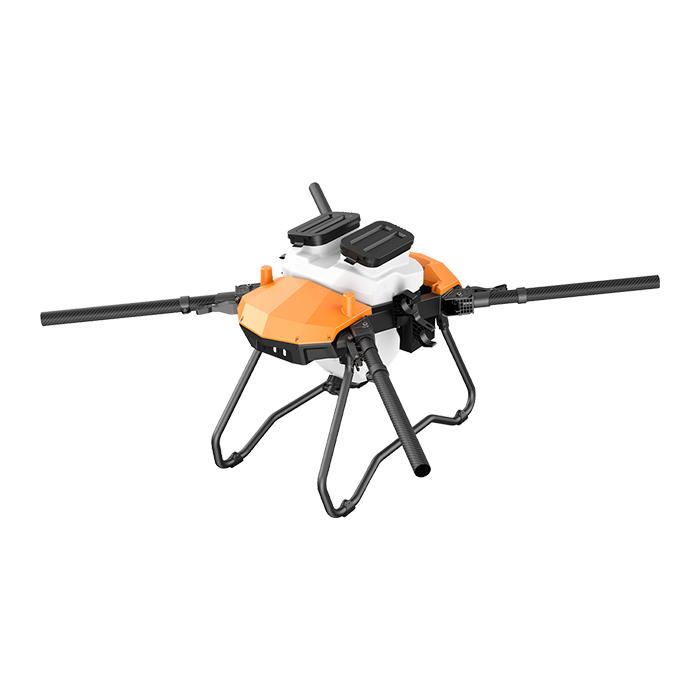
4. EFT Z80: Heavy-Load Modular Platform
The EFT Z80 is a heavy-load agricultural multirotor designed for spraying, granular spreading, and aerial lifting through a modular configuration. Its 80 L spray tank and 120 L spreading container provide competitive nominal capacity, while the platform supports quick configuration changes.
Key Specifications
- Spray tank capacity: 80 L
- Maximum spray flow rate: 36 L/min
- Published effective spray width: 5–10 m
- Droplet size range: 50–500 μm
- Spreading container capacity: 120 L
- Maximum spreading output: Up to 400 kg/min when tested with compound fertilizer (material-dependent)
- Maximum lifting payload: 80 kg
- Maximum takeoff weight: 149.9 kg
- Protection rating: IP65
What Stands Out
High-capacity spraying system. Dual flexible-impeller pumps and four centrifugal nozzles support a published maximum flow of 36 L/min with an adjustable droplet range of 50–500 μm. Actual performance depends on selected flow, droplet size, flight speed, crop canopy, and required application volume.
Large-capacity spreading system. The 120 L container with interchangeable augers handles a range of granular materials. The 400 kg/min figure is material-dependent and should not be treated as universal.
Modular design. The platform supports spraying, spreading, and lifting configurations. Quick-swap design allows adaptation to different tasks, subject to equipment and payload limits.
Flight-planning functions. Published information describes app-based work-mode recognition, route planning, and KML import. Optional radar supports terrain prediction under specified conditions.
What to Consider
The 80 L tank offers higher nominal liquid capacity than the T70P and XAG P150, and sits below the T100. A larger tank can reduce refill frequency at the same application rate, but must be weighed against aircraft weight, battery endurance, and field logistics. Parts availability and local technical support should be confirmed for the intended market.
Best suited for: Agricultural operators, spraying contractors, and UAV businesses evaluating a heavy-load modular platform for spraying, spreading, and lifting tasks.
Theoretical Spray Coverage: How Much Area Can a Full Tank Cover?
Tank capacity is a useful starting point when comparing agricultural spraying drones. However, theoretical coverage per tank is not the same as actual field productivity.
To compare nominal spray capacity using a consistent assumption, the calculations below use an application rate of 2 US gallons per acre (approximately 7.57 L per acre or 18.7 L per hectare).
Calculation formula:
Theoretical coverage per full tank = Spray tank capacity ÷ Application rate per acre
Example: An 80 L spray tank ÷ 7.57 L per acre ≈ 10.6 acres of theoretical coverage.
Estimated Coverage at 2 US gal/acre
| Drone Model | Nominal Spray Tank Capacity | Theoretical Coverage per Full Tank | Full-Tank Equivalents for 100 Acres |
|---|---|---|---|
| DJI Agras T70P | 70 L | ≈ 9.2 acres | ≈ 10.8 |
| DJI Agras T100 | 100 L | ≈ 13.2 acres | ≈ 7.6 |
| XAG P150 | 70 L | ≈ 9.2 acres | ≈ 10.8 |
| EFT Z80 | 80 L | ≈ 10.6 acres | ≈ 9.5 |
These are theoretical liquid-capacity calculations, not measured field productivity or exact refill counts. Values are rounded. Actual usable volume, residual liquid, and operational factors will differ.
How Should These Figures Be Interpreted?
Under the same assumed application volume, larger tanks (T100 at 100 L, followed by Z80 at 80 L) can theoretically cover more acreage per full tank and may reduce the number of refills. This advantage must be balanced against battery endurance, aircraft weight, refill logistics, and field layout.
Actual productivity also depends on:
- Flight speed and effective spray width
- The required application rate for the crop and treatment
- Battery endurance and battery-change time
- Refill and mixing logistics
- Field shape, obstacles, and travel distance
- Weather, wind drift, and operating restrictions
- Setup, cleaning, and maintenance time
For a meaningful productivity comparison, operators should evaluate each model under comparable conditions and measure completed acreage per hour, liquid application accuracy, battery turnaround, and total operational time.
How to Choose the Right Agricultural Spraying Drone
The most suitable agricultural drone depends on the operation, not just one specification. Use the following decision factors as a practical checklist.
1. Match Tank Capacity to the Application
A larger tank may reduce refill frequency, but the appropriate capacity depends on the crop, required application rate, field layout, aircraft operating limits, and battery performance under load. For large continuous areas, the 100 L T100 and 80 L Z80 offer higher theoretical coverage per fill; for many medium-to-large jobs the 70 L class (T70P / P150) remains highly practical.
2. Compare the Complete Spray System
Review maximum flow rate, nozzle type, droplet-size range, spray width, and flow-control functions together. No single specification establishes overall spraying quality. Match droplet size and application volume to the target crop and product label requirements.
3. Consider Spraying, Spreading, and Lifting Requirements
If an operation includes both liquid and granular applications (or occasional material lifting), check whether the aircraft supports the required configurations, what equipment changes are needed, and what payload limits apply. All four platforms offer spraying and spreading options; lifting capability and payload differ by model.
4. Evaluate Flight Planning and Positioning
RTK positioning, route planning, route resumption, and terrain-following functions can improve consistency on repeatable agricultural tasks. Confirm which functions are included in the exact configuration being considered and under what environmental conditions they are validated.
5. Assess Parts Availability and Technical Support
Parts supply, training, troubleshooting resources, and local service arrangements strongly influence long-term usability—especially during time-sensitive spraying windows. Ask distributors about typical spare-parts lead times, warranty coverage, and available operator training.
6. Verify Local Operating Requirements
Agricultural drone operations may be subject to aviation rules, pesticide application licensing, and other local regulations. Requirements vary by jurisdiction, aircraft, operation type, and substances being applied. Confirm the rules applicable to your intended operation before purchase or deployment.
Additional Perspective: Operator Discussions on Brand Comparison
Choosing an agricultural drone involves more than comparing published specifications. Product quality, operating requirements, parts availability, after-sales support, and day-to-day usability can all influence a buyer’s decision.
Some operators share informal comparisons of platforms (including discussions involving EFT and DJI systems) on social media. One example is an Instagram Reel in which a user discusses practical considerations when comparing agricultural drones:
Instagram Reel – Agricultural drone brand comparison discussion
Note: User-generated social media content reflects individual experience and perspective. It is not an independent laboratory test or formal product review. Viewers should consider the context, potential biases, and how the described conditions relate to their own crops, fields, and support environment.
Frequently Asked Questions
What is the best agricultural spraying drone in 2026?
There is no single best agricultural spraying drone for every operator. The right choice depends on tank capacity needs, spray-system requirements, crop and field conditions, flight-control functions, technical support availability, total cost of ownership, and local operating regulations.
Is a 100 L or 80 L agricultural drone better than a 70 L model?
Larger tanks provide greater nominal liquid capacity. At the same application volume per acre they offer greater theoretical coverage per full tank and may reduce refill frequency. However, tank capacity alone does not determine overall spraying performance or daily productivity. Application rate, spray quality, flight speed, battery endurance, weight, and operating conditions also matter.
Does a higher spray flow rate mean better spraying performance?
Not necessarily. Maximum flow rate describes the system’s liquid-delivery capacity under specified conditions. Effective application also depends on droplet size, nozzle configuration, crop canopy, flight altitude, speed, and the required application rate. Matching the system to the crop and product label is more important than peak flow numbers.
Can one agricultural drone handle spraying, spreading, and lifting?
Yes. All four platforms in this comparison support spraying and spreading configurations. Lifting capability is available on the DJI T70P, T100, and EFT Z80 (with different maximum payloads). Operators should confirm equipment requirements, payload limits, and operating procedures for each intended application.
How can agricultural drone productivity be compared fairly?
Use the same application rate and comparable crop and field conditions wherever possible. Compare actual treated area, liquid consumption accuracy, battery changes, refill time, downtime, and application quality rather than relying solely on tank capacity or maximum advertised coverage figures.
Conclusion: Choose According to Your Operating Needs
The DJI Agras T70P, DJI Agras T100, XAG P150, and EFT Z80 represent four current multirotor agricultural spraying platforms with different tank capacities, application systems, and operating characteristics.
- DJI Agras T70P — Balanced 70 L platform with integrated spraying, spreading, and lifting; strong ecosystem support.
- DJI Agras T100 — Flagship 100 L capacity with wider spray width range and multi-role capability for large-area work.
- XAG P150 — 70 L smart tank focused on high operating speed and intelligent liquid management.
- EFT Z80 — 80 L modular heavy-load platform supporting spraying, spreading, and lifting with competitive flow rate.
Published specifications and standardized calculations help operators narrow options, but they should not be mistaken for independently verified field-performance results. The final decision should account for the intended application, operating conditions, equipment configuration, maintenance, battery logistics, and technical support in your region.
Operators who prioritize maximum liquid capacity within a mature ecosystem may look first at the T100. Those seeking a balance of capacity and maneuverability may prefer the T70P or XAG P150. Teams that need modular multi-role flexibility with an 80 L tank will naturally evaluate the EFT Z80. In all cases, request current configuration details, demonstrate the aircraft if possible, and verify local regulatory and support conditions before committing.
Disclaimer: All intellectual property rights concerning the exterior designs of the drone models mentioned in this article—including those from brands such as DJI, XAG, and EFT—belong to their respective owners. This content is provided solely for the purpose of general education and information exchange within the agricultural plant-protection drone industry and does not constitute a commercial recommendation for any specific product. Please contact us if any content infringes upon your rights, so that we may make necessary adjustments or remove it. All specifications are based on the latest information publicly released by the manufacturers and are subject to change at any time. Before making any operational or purchasing decisions, please verify the most current official specifications, local aviation and pesticide regulations, and actual performance capabilities with qualified suppliers or operators.