
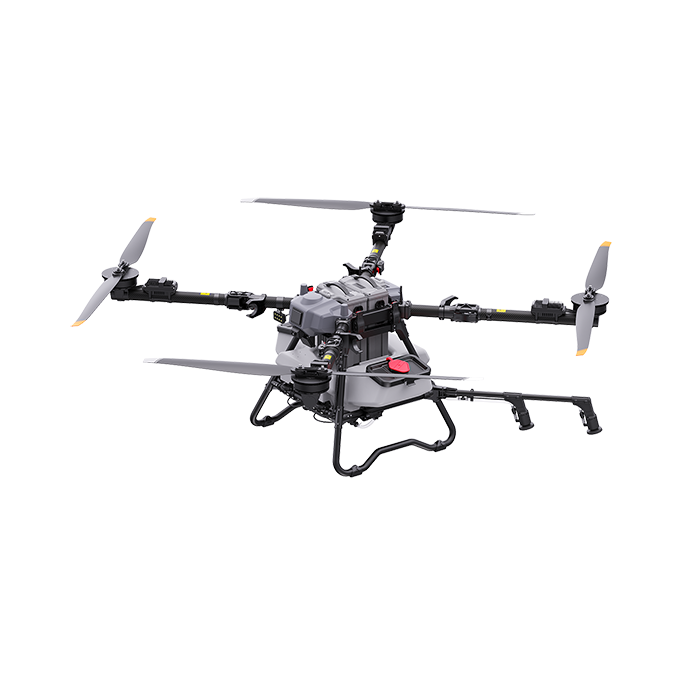
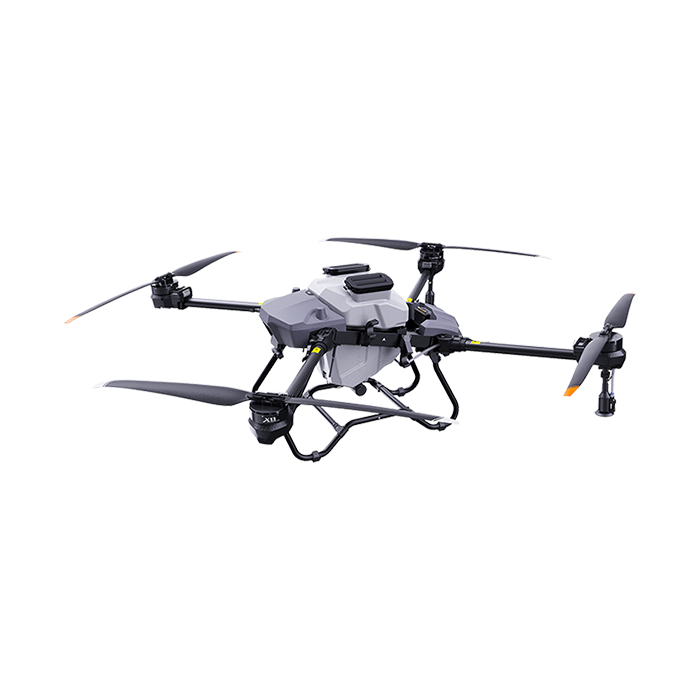
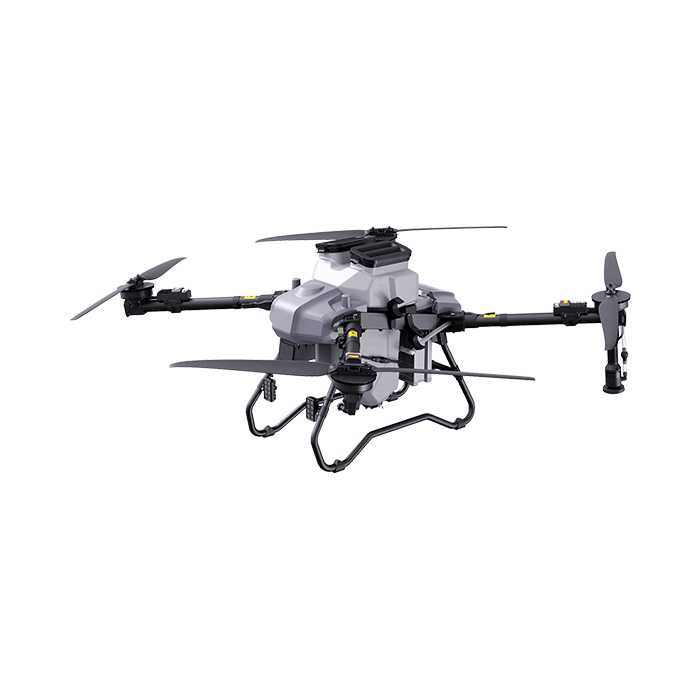
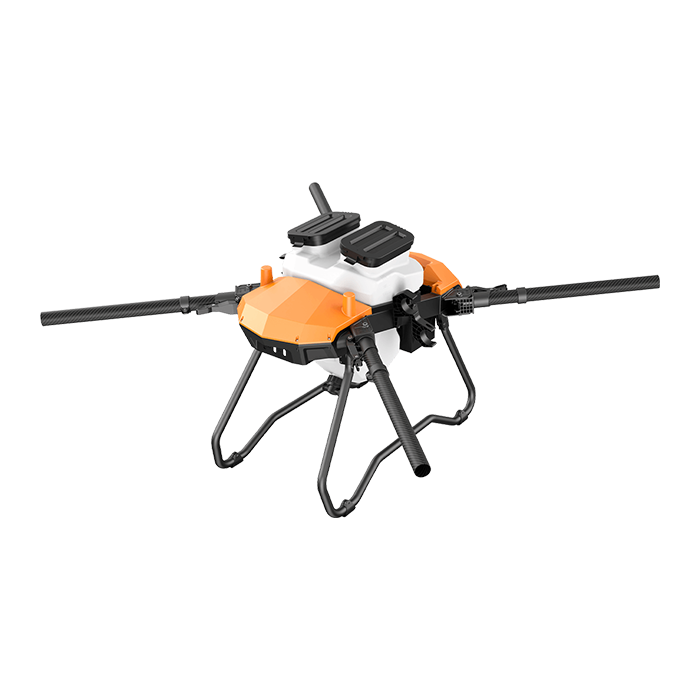
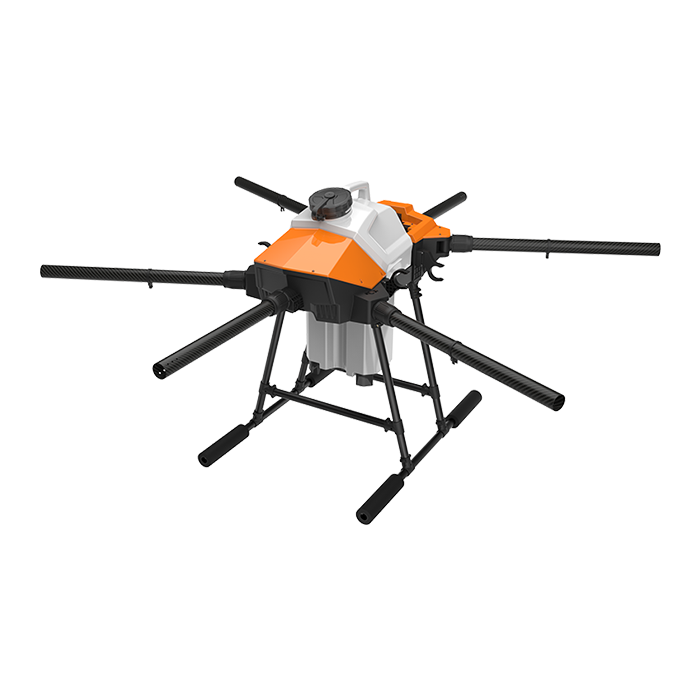
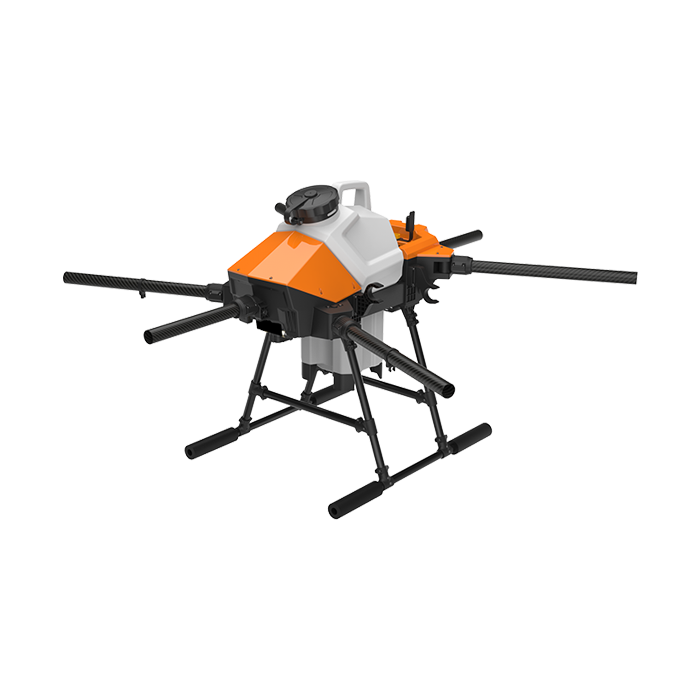
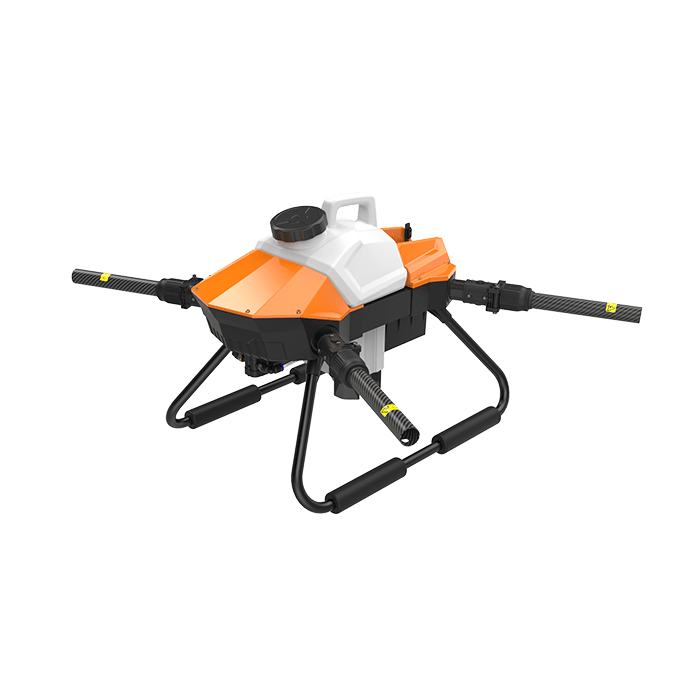
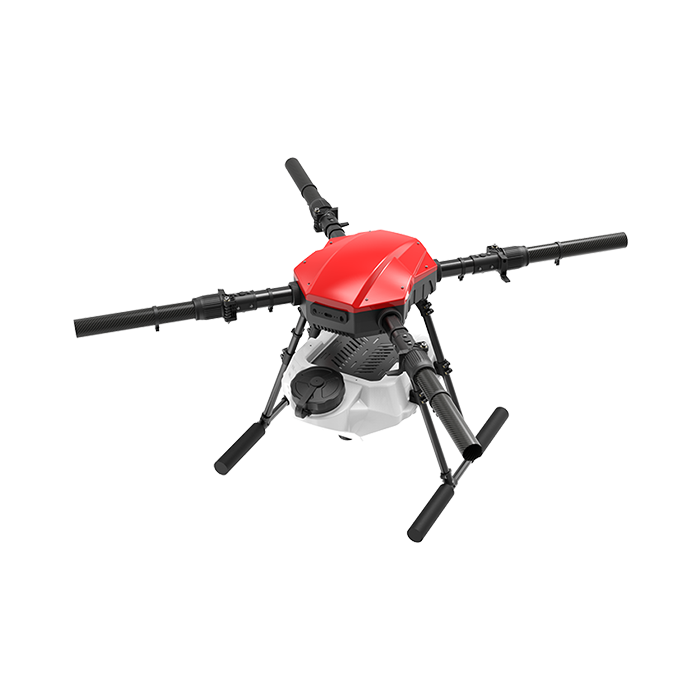
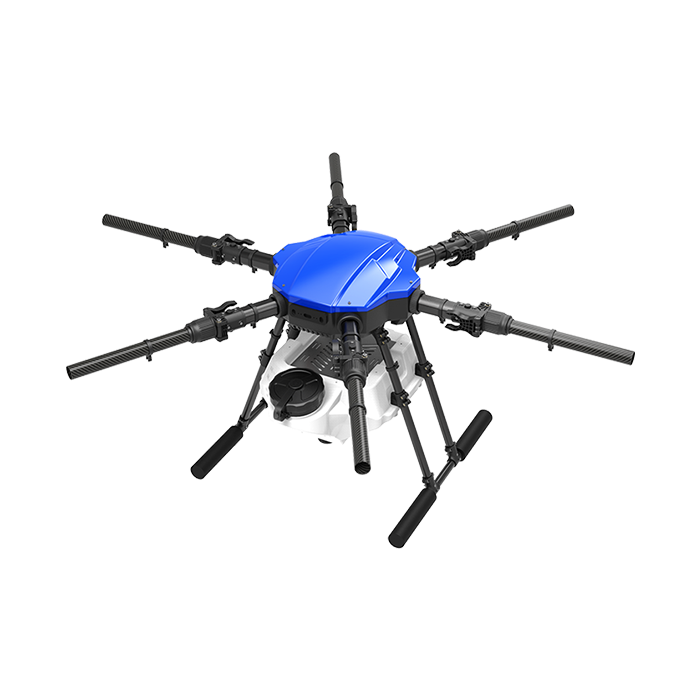
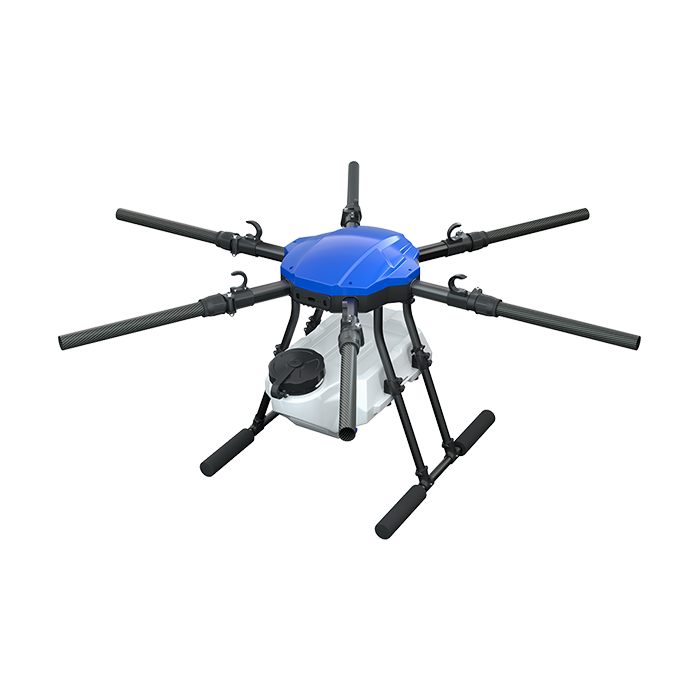
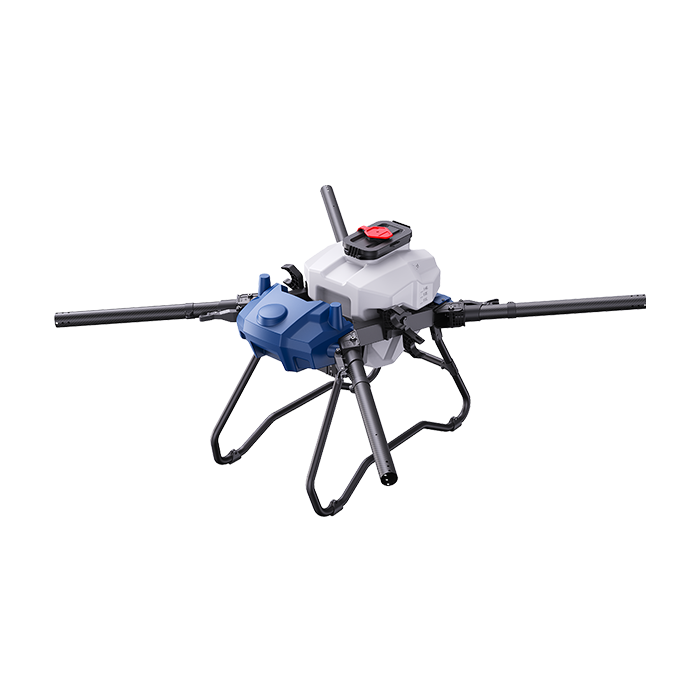
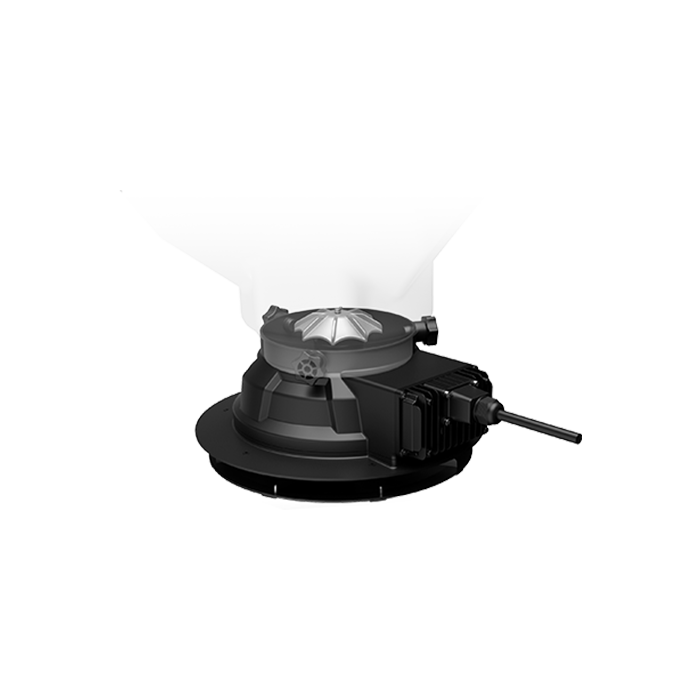
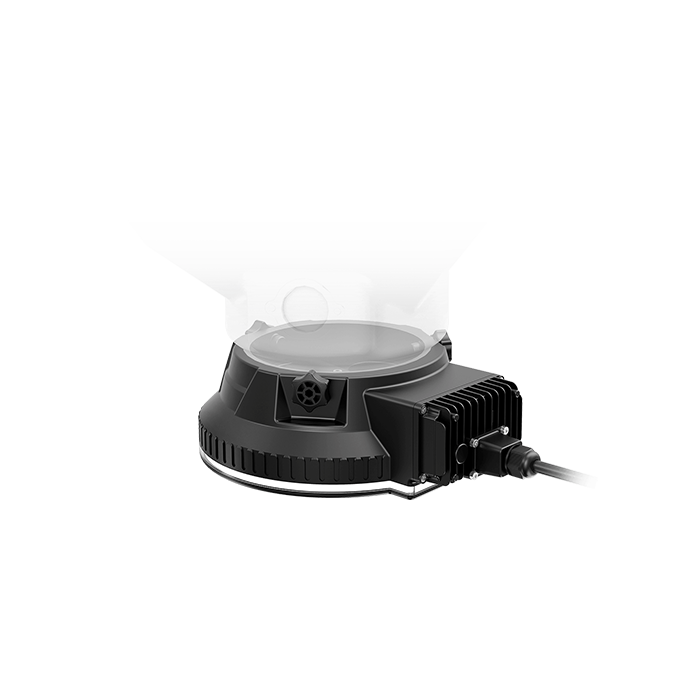
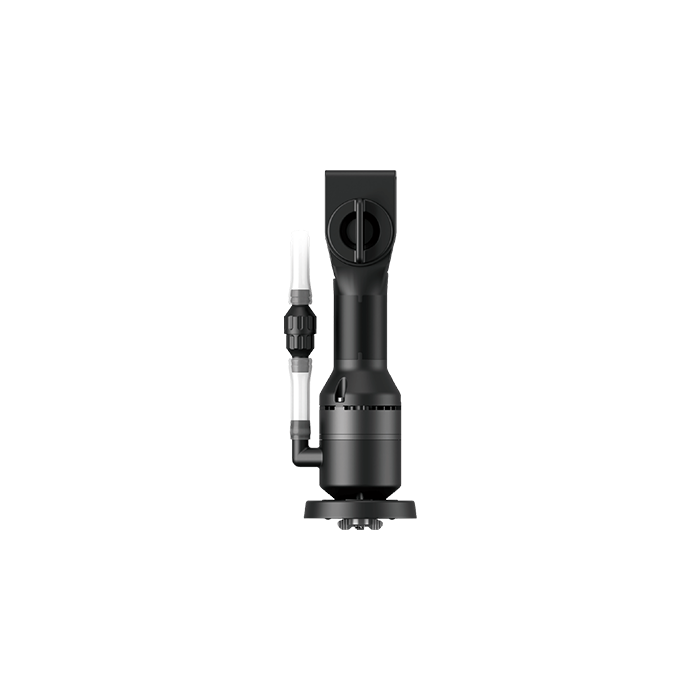
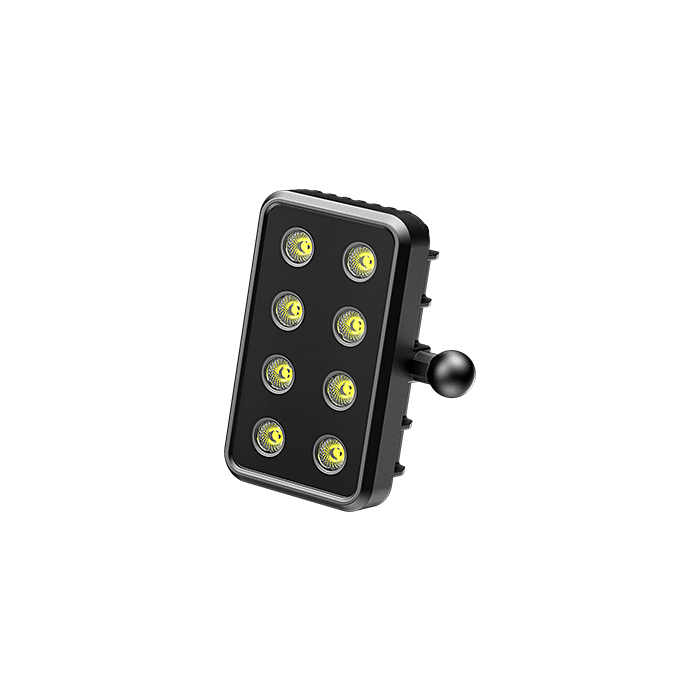
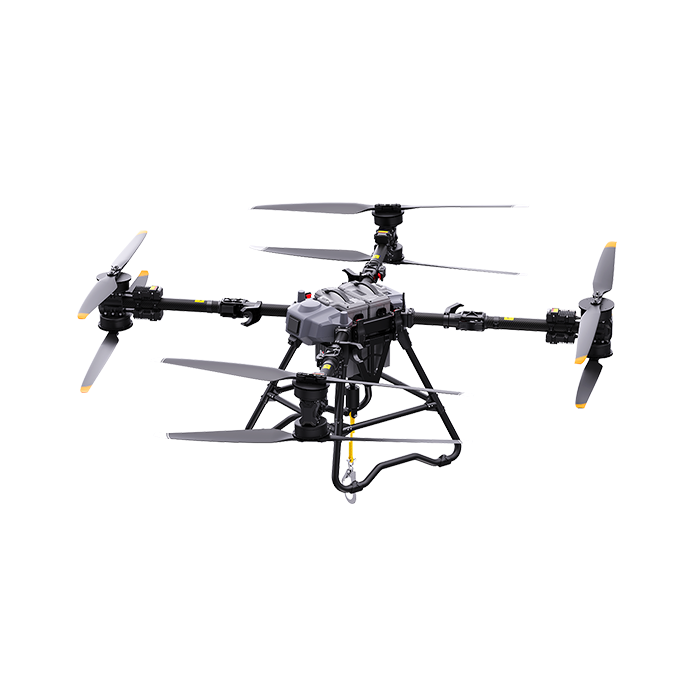
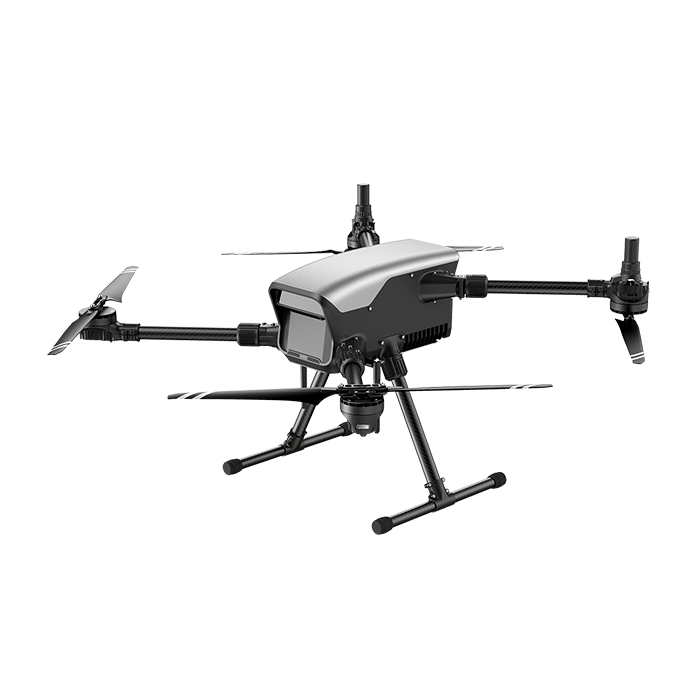
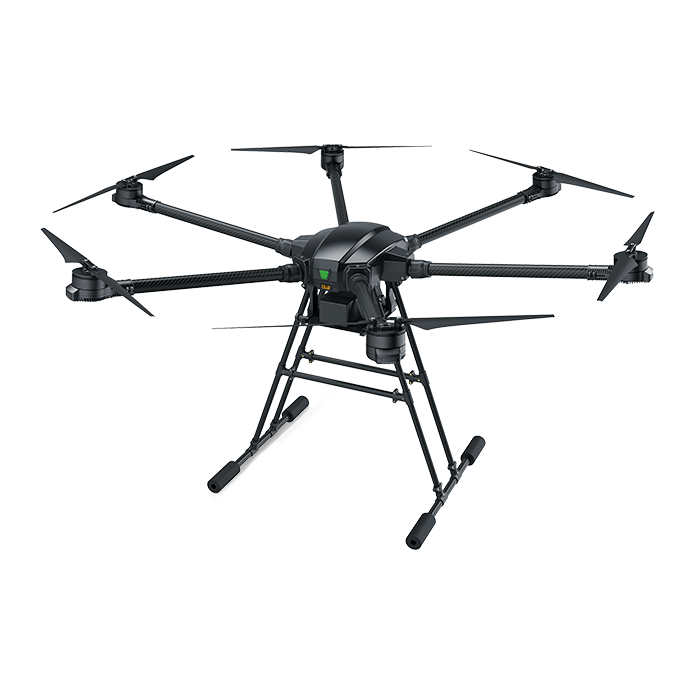

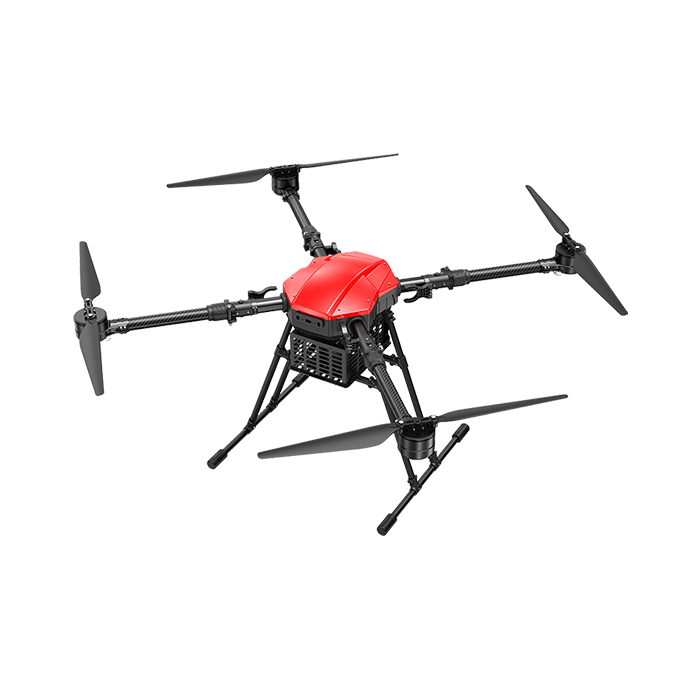
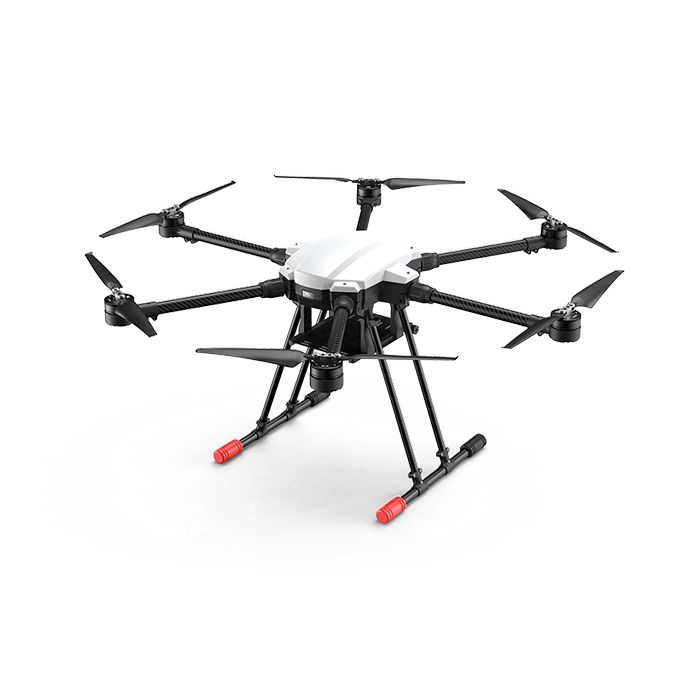
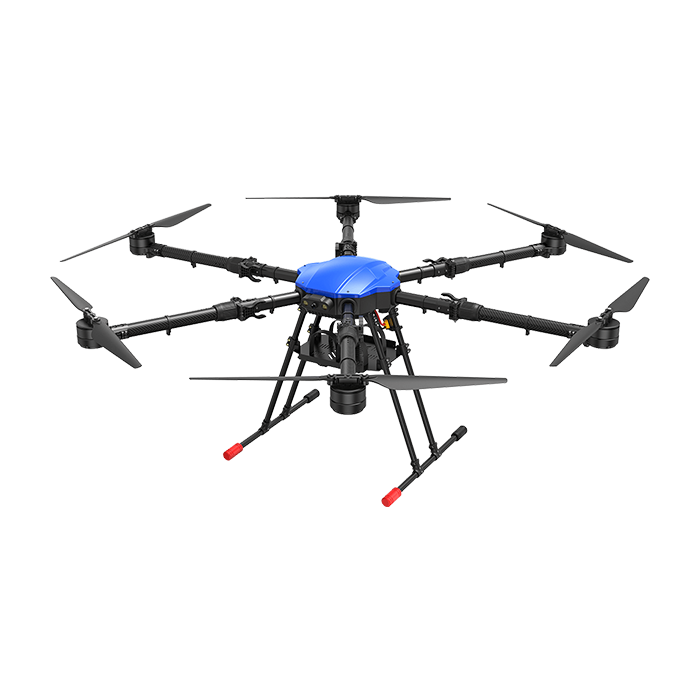

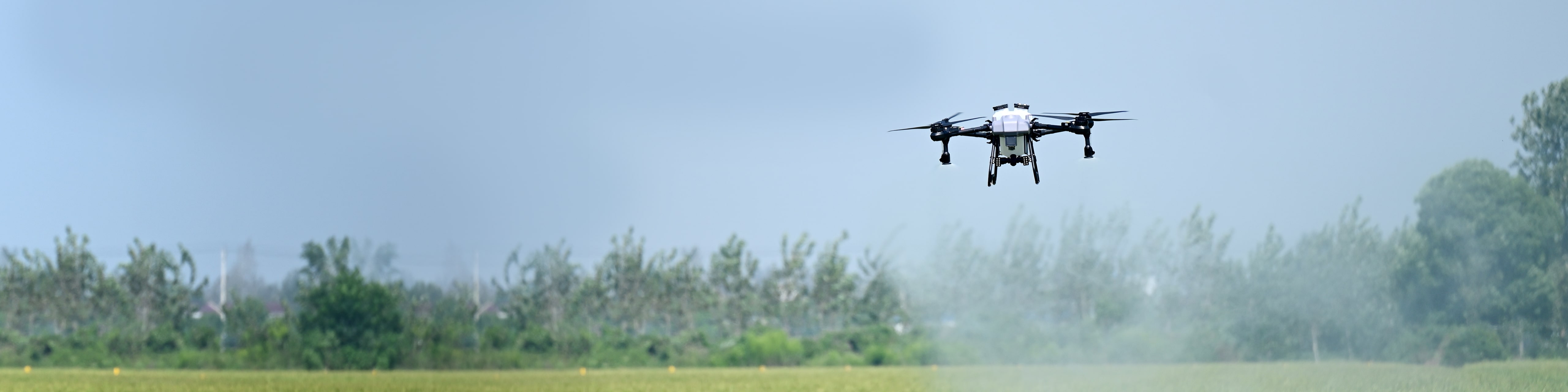
Agricultural production has always been a game of time and precision. From sowing and irrigation to pest and disease control, each choice shapes the final harvest. It can be a bumper crop or a poor one. Now, with the rapid development of agricultural drone technology, all this is undergoing profound changes. Above the vast farmlands and orchards, agricultural spraying drones are redefining the production methods of modern farms. They are efficient tools and reliable partners for modern growers seeking high yields, lower costs, and environmental protection.
1. Precision Spraying: Say Goodbye to Waste, Achieve Efficient Targeted Application
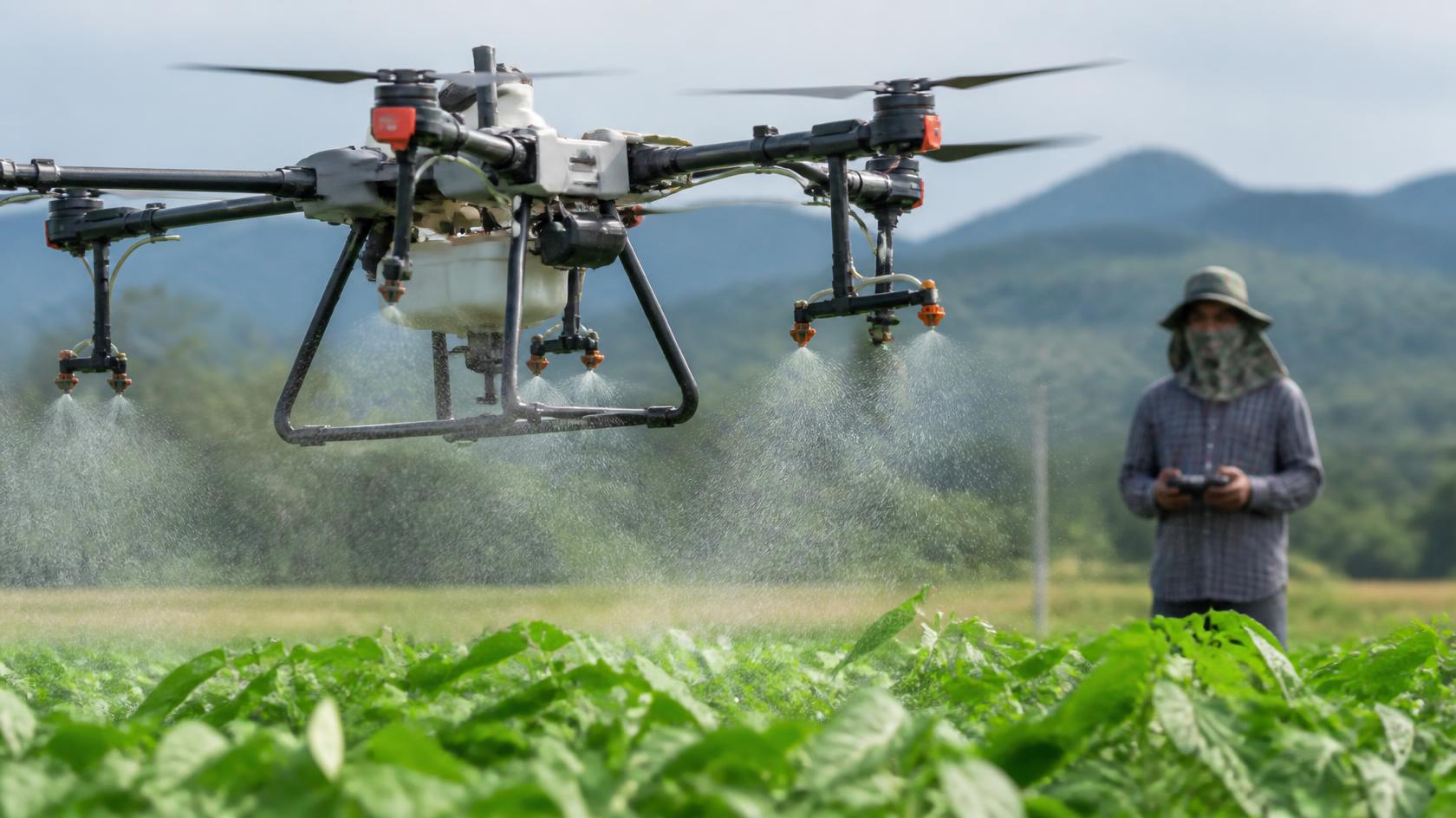
Traditional ground sprayers can waste 10%-30% of pesticides and fertilizers. This can happen due to overlap or runoff. Modern agricultural drones, relying on high-precision GPS navigation and RTK positioning technology, can achieve centimeter-level autonomous flight and precise spraying, ensuring that nutrient solutions and pesticides only land on the crops that need them.
Cost Reduction and Efficiency Improvement: Significantly reducing chemical waste and directly lowering agricultural input procurement costs.
Protecting the Ecology: Precise dosage control effectively avoids the negative impacts of excessive pesticide application on the surrounding environment and soil.
2.Ultimate Efficiency: Time-Saving And Labor-Saving, Overcoming Physical Limitations
Imagine completing the spraying of 50 acres of farmland in less than an hour, without requiring heavy machinery, thus completely avoiding soil compaction problems—this is the true power of drone spraying.
Traditional ground machinery is limited by soil moisture and terrain, often unable to reach the fields promptly after rain or at the initial stage of disease outbreaks. Drones fly over fields and help farmers plan flexible, frequent, targeted crop care. They ensure quick treatment during the key window for pest and disease outbreaks.
3.Green And Sustainable: Empowering Low-Carbon And Environmentally Friendly Modern Agriculture
Precision fertilization and plant protection not only bring considerable economic benefits but are also essential for achieving sustainable agricultural development. Plant protection drones significantly reduce carbon emissions by reducing the use of chemical agents and fuel consumption.
Related research shows that scientific drone spraying can cut chemical use by 40%. This helps farmers meet sustainability goals and improve yield and quality.
4.Unrestricted Terrain: Perfectly Adaptable to Complex Farmland and Crops
From hilly orchards and vineyards to vast fields in plains, agricultural drones demonstrate exceptional environmental adaptability. Whether the land has steep slopes, muddy low areas, or tight corners that traditional farm machines cannot reach, drones can manage it. Drones can do this easily.
Unrestricted Scale: Whether managing a 20-acre family farm or a large agricultural park spanning thousands of acres, drones provide flexible and scalable precision agriculture solutions.
5. Data-Driven: Proactive Insight, Empowering Smart Decision-Making
Modern agricultural drones go far beyond simply "spraying pesticides." Many specialized models are equipped with multispectral cameras and high-resolution sensors, enabling them to collect crop health data during operations or inspections.
Combined with artificial intelligence and intelligent agricultural software monitoring, the system can even issue early warnings weeks before visible diseases or nutrient deficiencies occur. This data-driven model of "early detection, early treatment" has ushered in a new era of "scientific decision-making" in traditional agriculture, moving it from "experience-driven" to "scientific decision-making."
6. Safety Upgrade: Ensuring Pilot Health and Operational Safety
Traditional backpack spraying or large-area ground spraying often puts pesticide operators at high health risk. It can easily cause skin contact or breathing in harmful chemicals.
Drone operations, employing fully remote control and autonomous flight, allow pilots to monitor the entire spraying process from a safe distance, completely isolating operators from toxic chemicals and significantly improving the safety of agricultural production.
7. Return on Investment: Visible Cost Reduction and Efficiency Improvement
Introducing agricultural drones is not only a technological upgrade but also a sound long-term business investment. By saving labor costs, reducing agricultural input waste, and minimizing crop losses, most farmers see significant economic returns in the first quarter of operation.
Conclusion: Collaborating on Innovation, Creating the Future
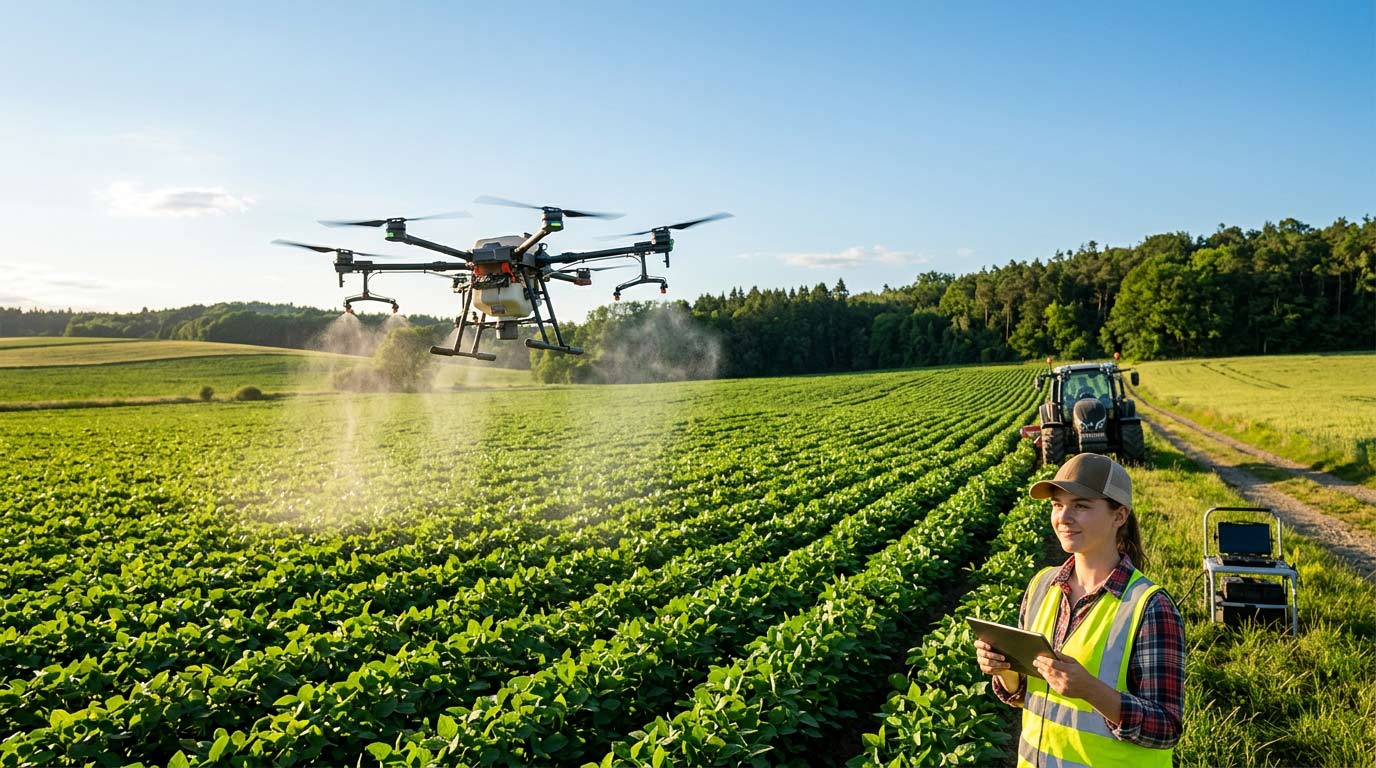
In the face of rising labor costs, tighter environmental regulations, and increasing climate uncertainty, growers need tools that deliver more with less. Agricultural drones provide that edge by combining precision, speed, and data-driven decision-making in one platform.
Beyond spraying, drones can also support field scouting, crop health monitoring, and early detection of pests, diseases, and water stress. With timely insights, farmers can intervene sooner, treat only the affected areas, and avoid large-scale yield losses. Over time, these small improvements add up to more stable production, better quality, and stronger profitability.
Creating the future of agriculture will require cooperation across the entire industry. Farmers, cooperatives, service providers, and technology companies can work together to build practical workflows, and expand local support networks. With the right partnership and responsible use, drone technology can help agriculture become safer, more efficient, and more sustainable. The future of precision agriculture lies not on the ground, but in the air. Agricultural spraying drones perfectly balance sustainability, operational efficiency, and economic benefits. For growers ready to embrace modern agriculture, the opportunity is clear. Let drones handle precise, efficient crop protection. This frees you to focus on crop growth and farm planning.
EFT is committed to providing professional drone solutions for agriculture worldwide. Contact to learn how to leverage advanced drone technology to safeguard the next harvest.