


Overview of Industry Background: Smart Agriculture Design and Digital Farm Ecosystem
Modern agriculture is undergoing a profound transition driven by data rather than intuition. From a macro-industry perspective, accelerated global land intensification, escalating labor costs, and increasingly stringent sustainability mandates are propelling traditional extensive farming practices toward modern digital agriculture. Against this overarching background, drone technology has transcended its role as an isolated aerial tool; it now serves as a core front-end sensing and execution node, deeply embedded within digital farm ecosystems and the top-level design of smart agriculture.
The top-level design of smart agriculture emphasizes a "sky-ground" integrated data closed-loop and collaborative management framework. It aims to seamlessly integrate macro-remote sensing, meso-monitoring, and micro-precise execution, thereby enabling intensive allocation of agricultural production factors. The digital farm ecosystem centers on data assets, organically converging meteorological and soil monitoring, crop physiological diagnosis, intelligent machinery operation, and Farm Management Information Systems (FMIS). Within this architecture, agricultural drones perfectly bridge cloud-based decision command with field-level fine-grained operations due to their agility, high timeliness, and multi-dimensional payload integration, acting as a critical engine for enhancing total factor productivity in agriculture. Broadly speaking, agricultural drone applications in smart agriculture focus on two core dimensions: Diagnostic Monitoring and Precision Intervention.
1. Field Diagnostic Capabilities of Agricultural Drones
Crop health monitoring is among the fundamental application domains for agricultural drones. Equipped with multispectral and hyperspectral sensor systems, drones capture subtle spectral reflectance variations across crop canopies. These variations typically manifest well before visible symptoms such as chlorosis or leaf curling emerge, enabling early warning capabilities for nutrient deficiencies or early-stage pest and disease outbreaks.
· Growth and Density Assessment: High-resolution optical imagery efficiently replaces traditional manual row-by-row counting. By correlating aerial mapping data with ground-truth measurements, growers are provided with reliable population density data.
· Rapid Pest and Disease Screening: Extensive manual field scouting is labor-intensive and time-consuming, whereas drones scan large plots in short time frames. Combined with artificial intelligence image analysis algorithms, systems precisely locate anomalous zones prior to disease diffusion, significantly boosting early detection efficiency.
· Water Stress Analysis: Utilizing thermal infrared imaging, drones monitor minute fluctuations in crop canopy temperatures, which directly correspond to physiological water status. Paired with multispectral texture analysis, growers bypass subjective experience to establish data-driven irrigation decisions.
2. Precision Intervention Methods of Agricultural Drones
Following clear diagnosis, efficient execution and intervention serve as the cornerstone for realizing production efficiency gains.
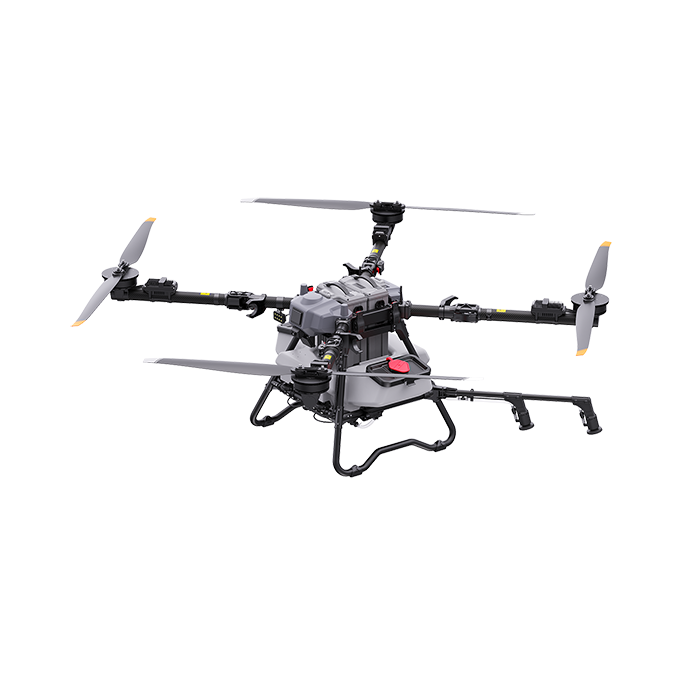
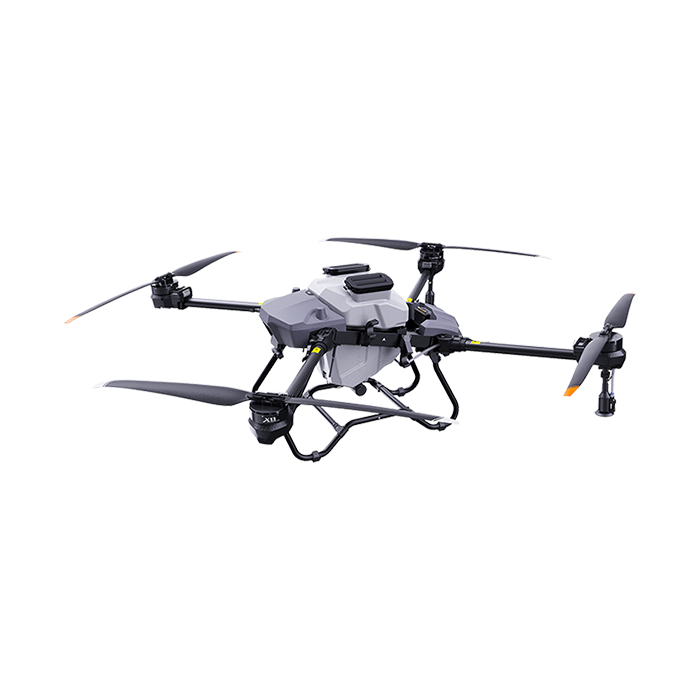
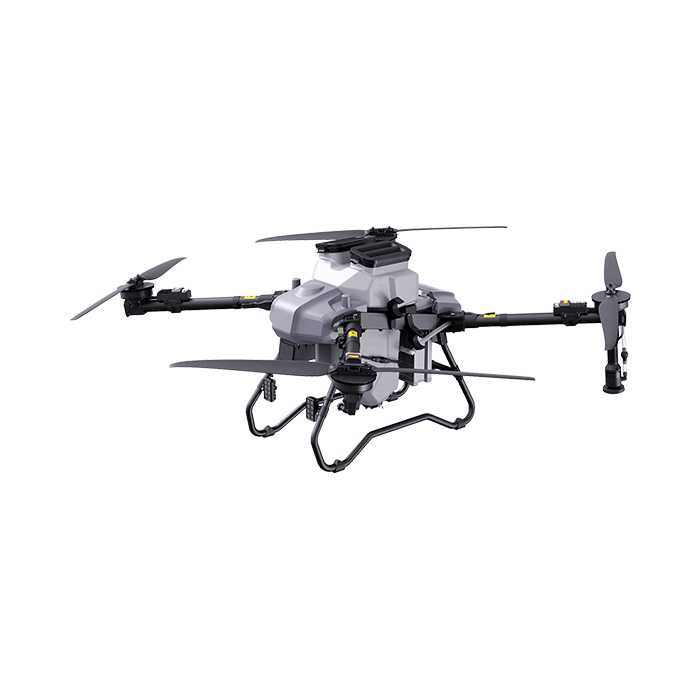
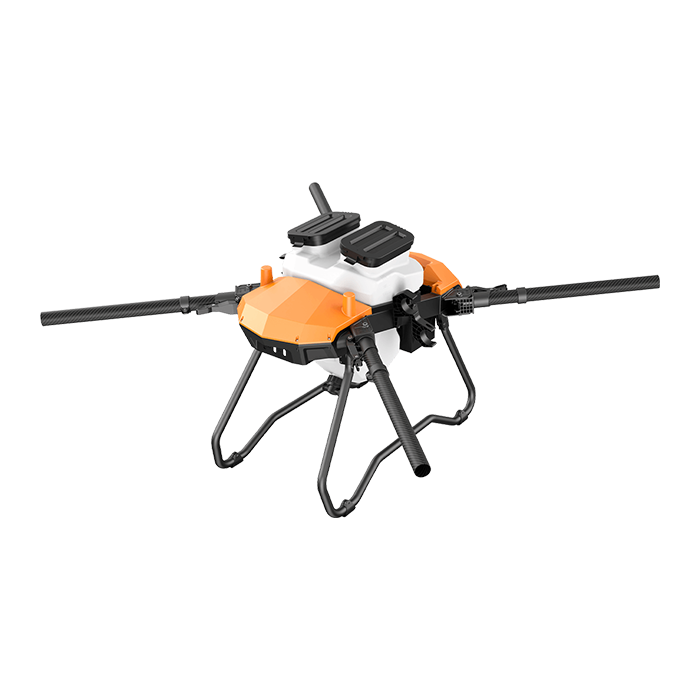
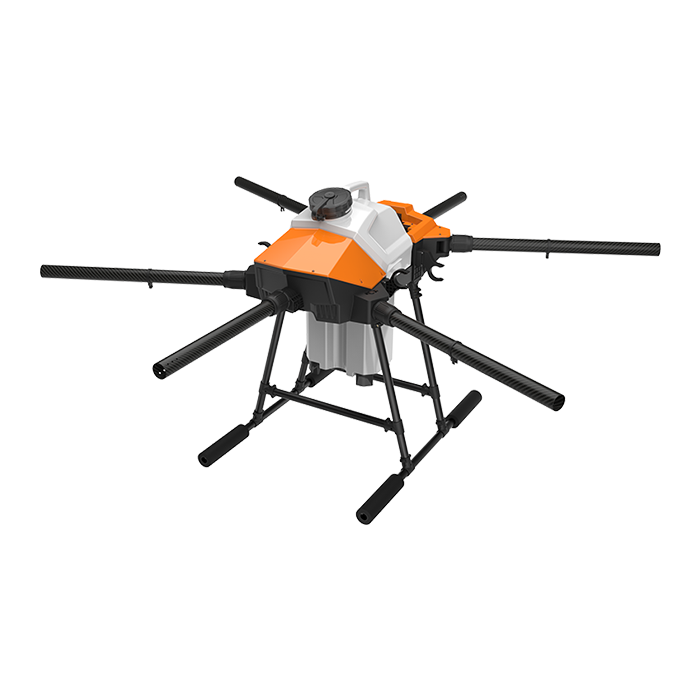
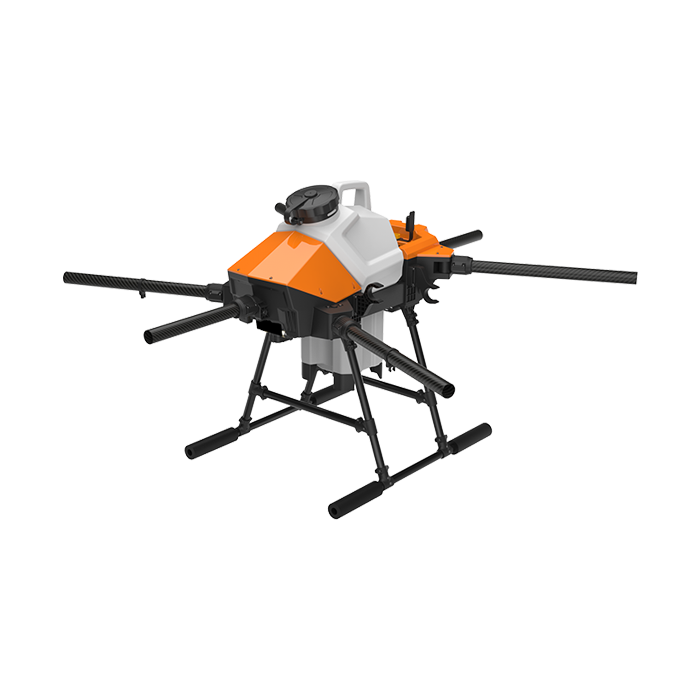
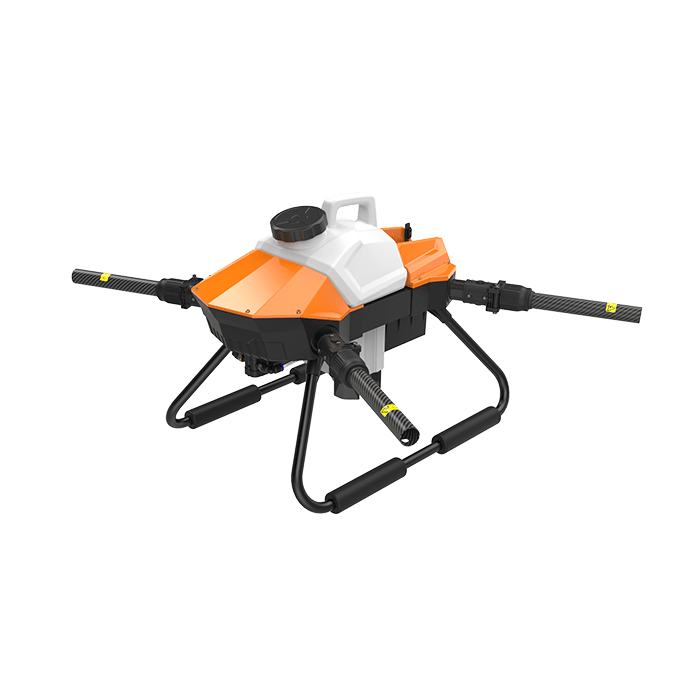
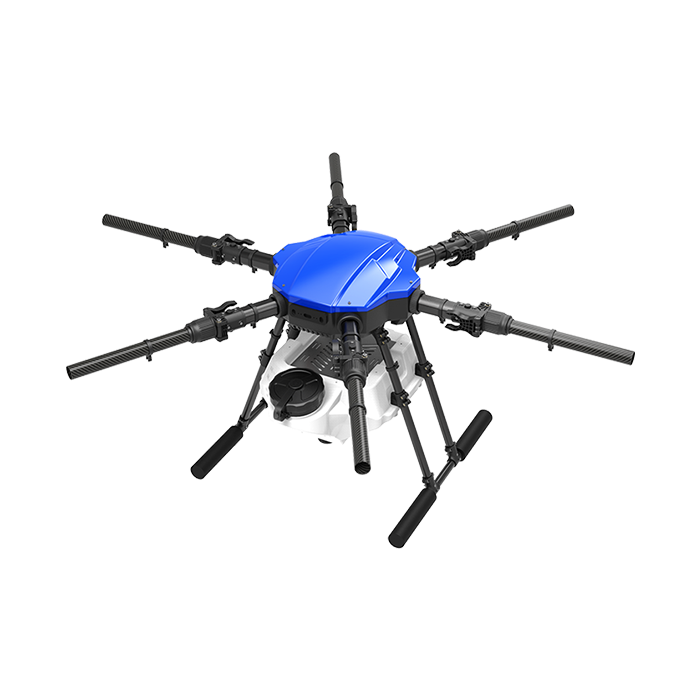
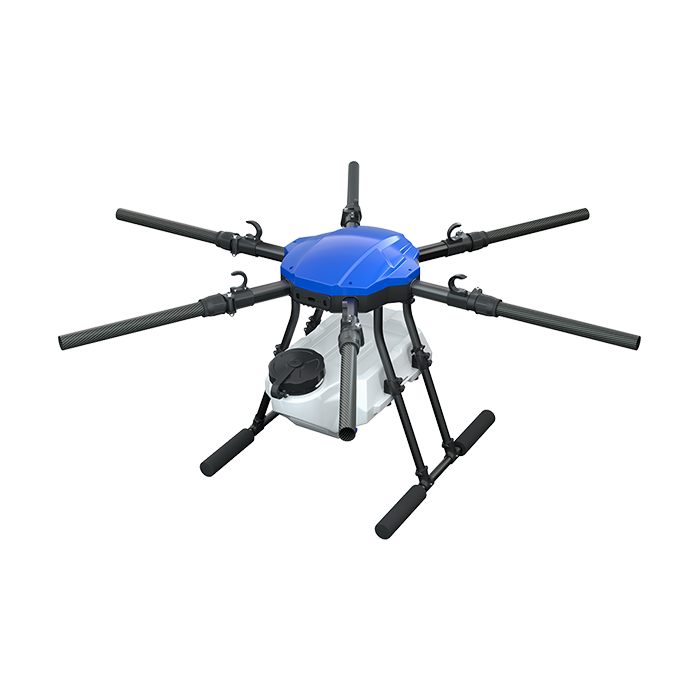
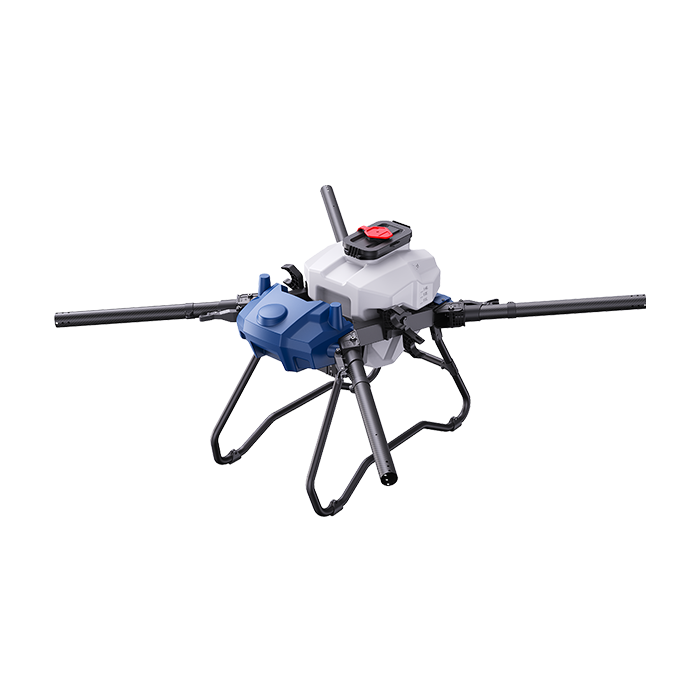
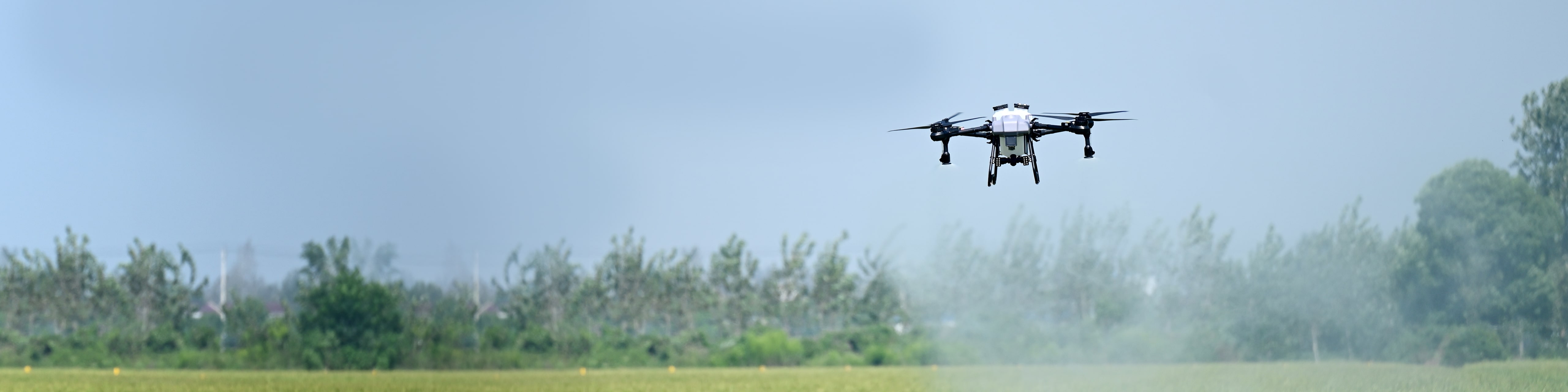
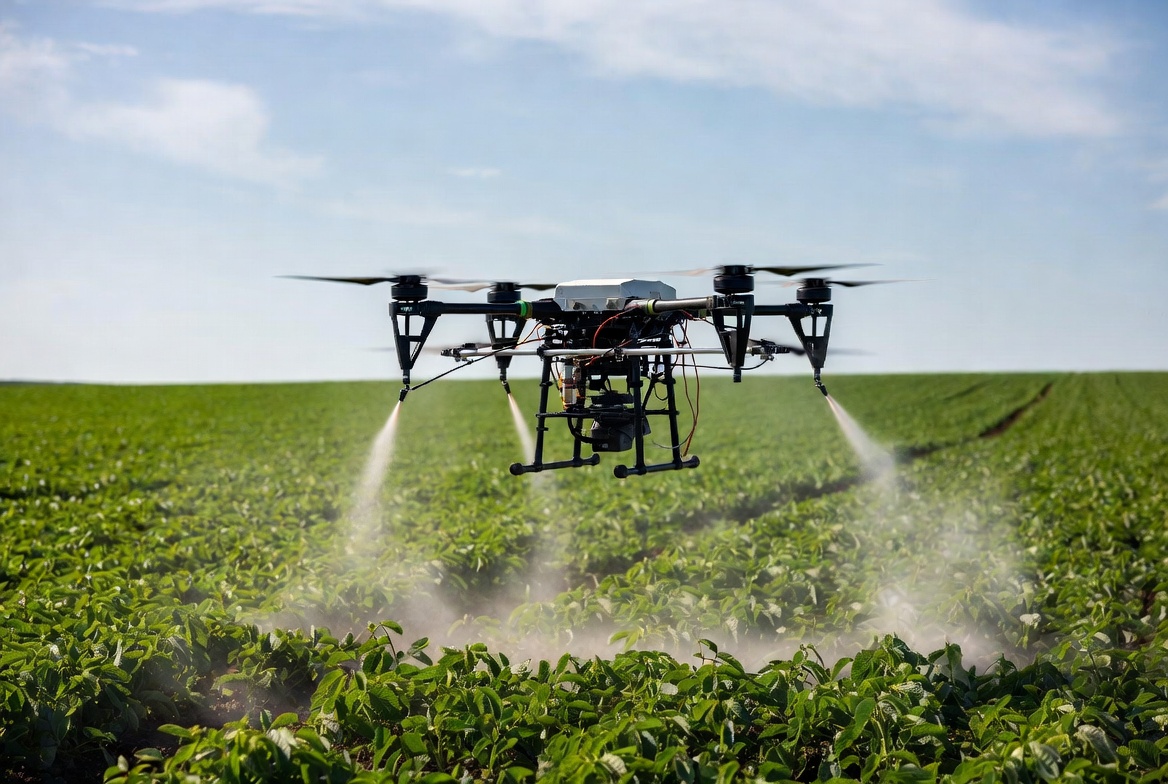
· Precision Spraying Operations: As the mainstream intervention method, agricultural plant protection drones utilize ultra-low-volume spraying technology to deliver liquid fertilizers, insecticides, or herbicides directly to target zones. Compared to conventional machinery, this approach drastically reduces chemical usage, cuts drift pollution, and substantially curtails labor dependency.
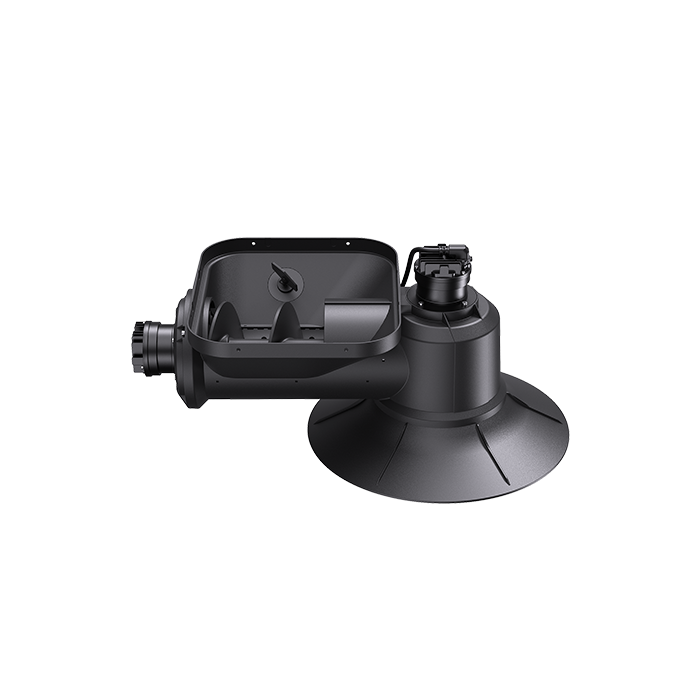
· Seeding and Re-seeding: In complex terrains or hilly regions where conventional machinery struggles to operate, drone broadcasting demonstrates unique advantages. It accelerates large-scale seeding progress while guaranteeing uniform distribution and minimizing repeated compaction on topsoil, supporting long-term soil health.
· Assisted Pollination and Biological Control: Amid declining natural pollinator populations, drone-assisted pollination has become an essential tool for safeguarding specific crop yields. Meanwhile, biological control methods deploy beneficial predatory insects precisely, offering an eco-friendly alternative for green plant protection.
3. Types and Selection of Mainstream Agricultural Drone Platforms
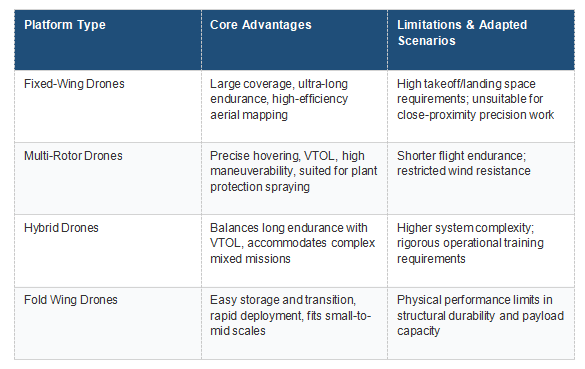
Selecting an agricultural drone should tightly align with actual operational scenarios and plot characteristics rather than blindly chasing isolated parameters. Market categories include:
· Fixed-Wing Drones: Featuring lift structures resembling traditional aircraft and outstanding energy efficiency, they offer prolonged single-flight endurance and extensive single-sortie coverage areas, making them ideal for large-scale aerial mapping and broad-area inspection. Limitations include restricted maneuverability and requirements for open takeoff and landing spaces.
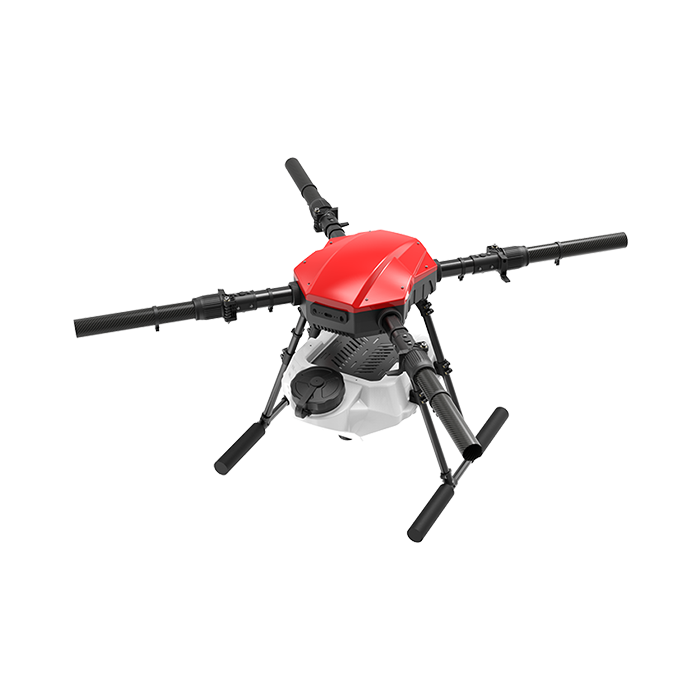
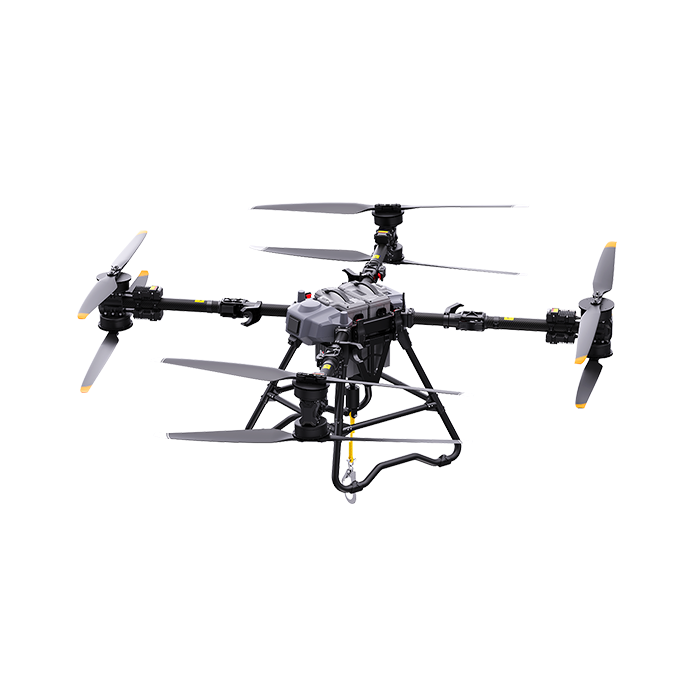
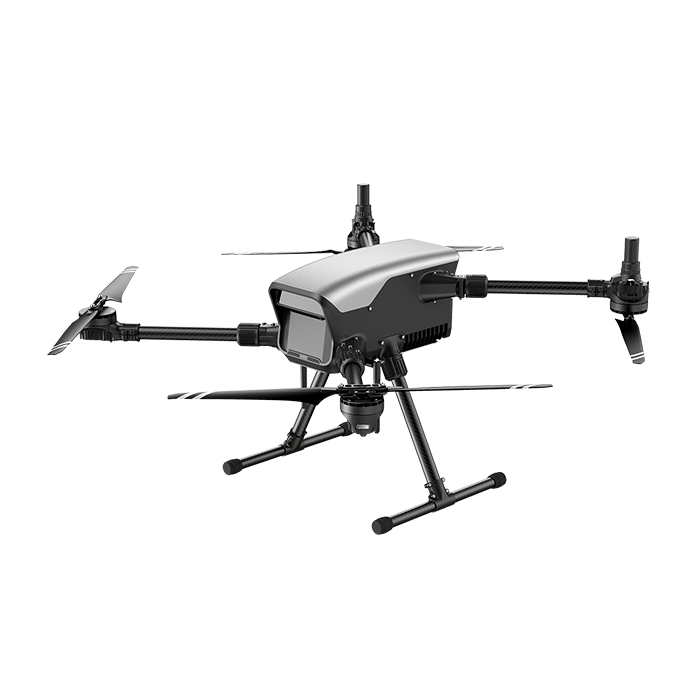
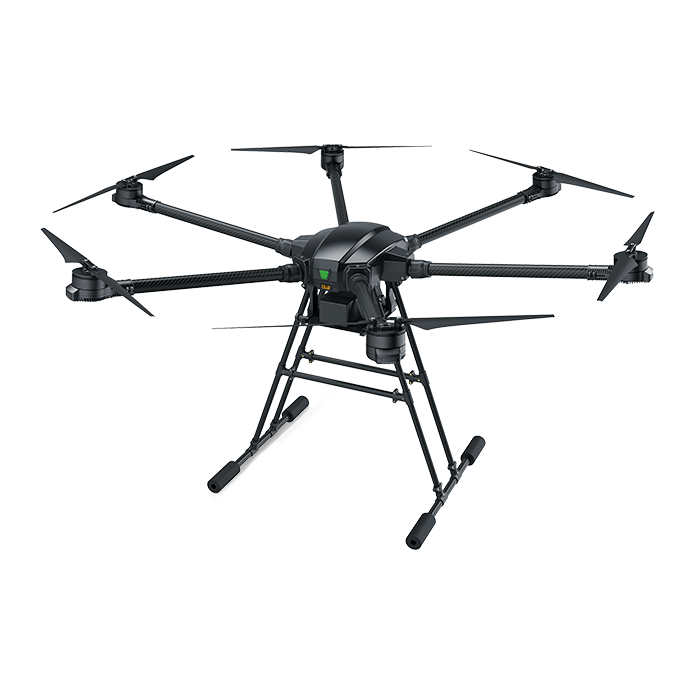
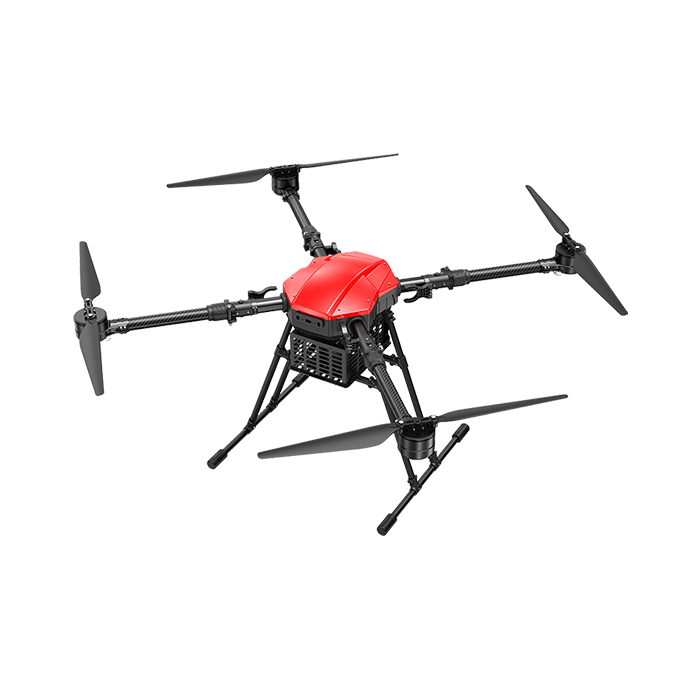
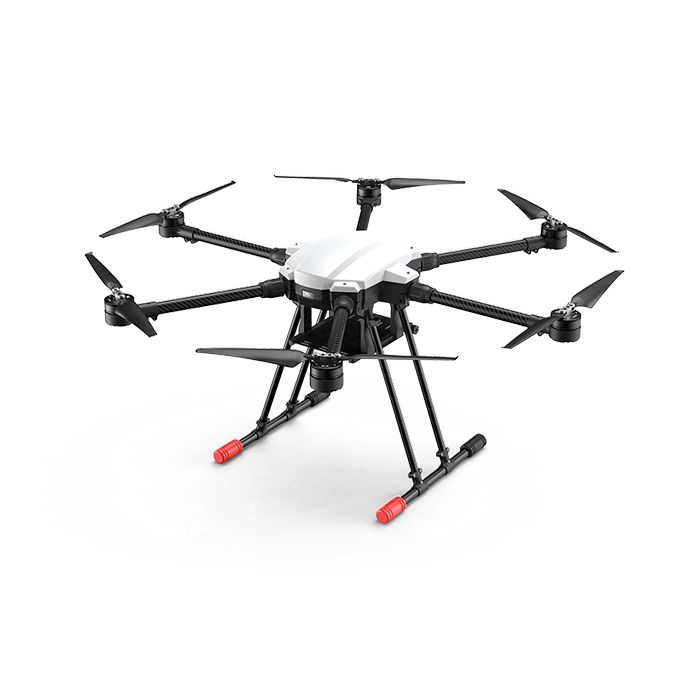
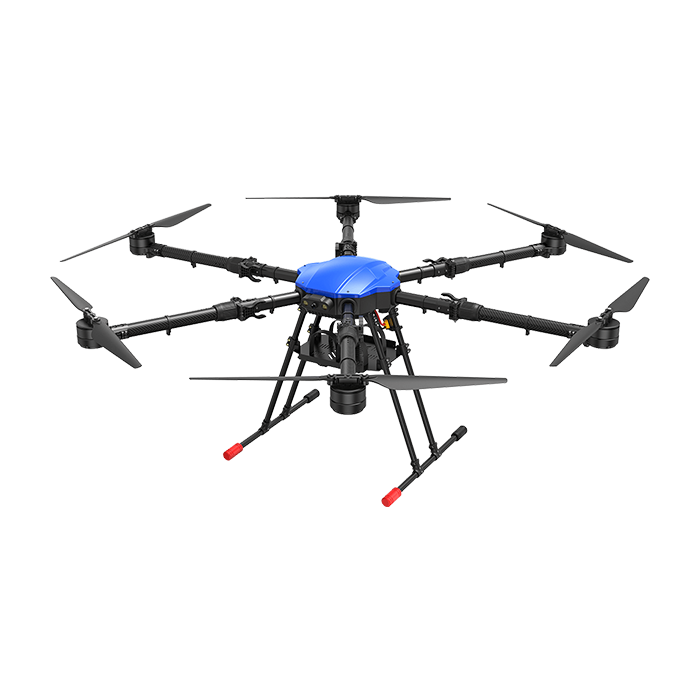
· Multi-Rotor Drones: Encompassing quadcopters, hexacopters, and octocopters, they deliver exceptional vertical takeoff and landing (VTOL) capabilities and flexible hovering characteristics. They represent the current mainstream choice for precision spraying and fine-grained inspection, adapting well to irregular plots, though they remain sensitive to wind conditions.
· Hybrid Drones: Combining the long endurance of fixed-wing platforms with the vertical takeoff and landing advantages of multi-rotors, they suit complex composite missions balancing wide-area coverage with high precision, albeit with increased mechanical complexity.
· Fold Wing Drones: Designed with high portability and rapid deployment in mind, they suit small-to-mid-size farming operations or frequent transition scenarios prioritizing mobility and convenience.
Performance and Applicable Scenarios of Common Drone Types
4. Complete Agricultural Drone System Architecture
Within an integrated digital farm ecosystem, an agricultural drone system does not operate in isolation; rather, it forms a technical entity seamlessly coordinated with multiple core subsystems and farm top-level management platforms:
· Flight Platform System: Comprising structural frames, propulsion systems, and energy modules. Modern frames widely employ lightweight, high-strength composite materials (such as carbon fiber) to ensure structural reliability while shedding weight; power modules rely predominantly on high-energy-density lithium-ion batteries.
· Navigation and Flight Control System: Relying on high-precision satellite positioning for centimeter-level navigation, paired with Inertial Measurement Units for real-time flight attitude adjustments, and integrated obstacle-avoidance sensors like LiDAR or binocular vision to guarantee flight safety in complex environments.
· Communication Transmission System: Maintaining stable command delivery and massive data transmission via mainstream wireless frequency bands and high-speed cellular networks, supporting Beyond Visual Line of Sight operations and real-time cloud database synchronization.
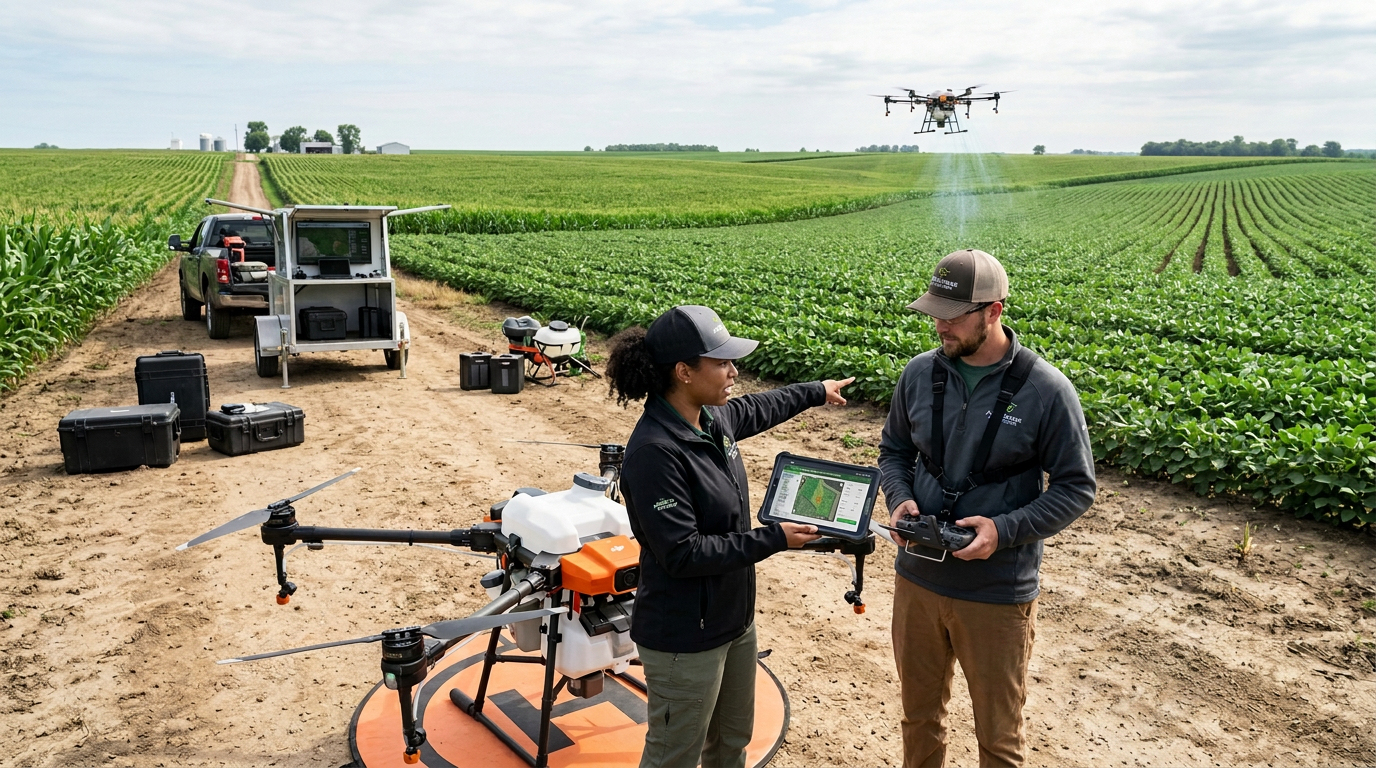
· Ground Control Station (GCS): Encompassing integrated hardware-software tools for operators to conduct flight path planning, meteorological data integration, and task status monitoring, functioning as a mobile extension of the Farm Management Information System.
· Payload Task System: Operation terminals selected according to diverse requirements, including optical imaging cameras, multispectral/hyperspectral payloads, thermal infrared sensors, LiDAR, variable-rate spraying systems, or spreading apparatuses.
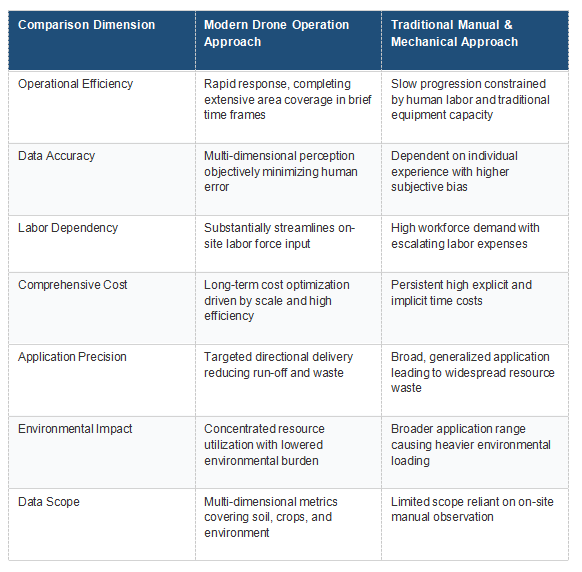
5. Macro Comparison: Drone Operations vs. Traditional Manual Methods
Comparison between Modern Drone Operations and Traditional Manual/Mechanical Methods
6. Frequently Asked Questions (FAQ)
Q: How do drones assist managers in more effectively controlling production inputs?
A: By outputting high-precision data on field plots and crop health status, drones support localized precise inputs rather than uniform treatment across entire fields, thereby effectively controlling losses and optimizing overall input-output ratios.
Q: Can a single drone handle multiple distinct agricultural tasks?
A: Yes. Through modular payload switching, the same flight platform can undertake crop monitoring, plant protection spraying, and broadcasting duties across different phenological stages.
Q: What is the reliability of drone-based crop health monitoring?
A: Leveraging multispectral and hyperspectral remote sensing methods, systems identify early physiological abnormalities before visual detection is possible, securing a valuable window for scientific intervention.
Q: How do weather conditions impact daily agricultural drone operations?
A: Weather factors such as high wind speeds, heavy rainfall, and dense fog significantly limit flight safety and operational effectiveness. High-precision missions like multispectral mapping also require stable lighting conditions (such as clear or uniform overcast skies) to ensure accurate spectral reflectance data capture.
Q: What kind of technical training is required for farm personnel to operate agricultural drones?
A: Operators typically require professional training covering flight control principles, local aviation regulations, mission planning software, payload calibration, and emergency troubleshooting protocols. Modern smart farming systems also provide automated flight paths, which lower the operational barrier but still necessitate trained supervisors on-site.