


Quick Answer: Hectares to Acres Conversion
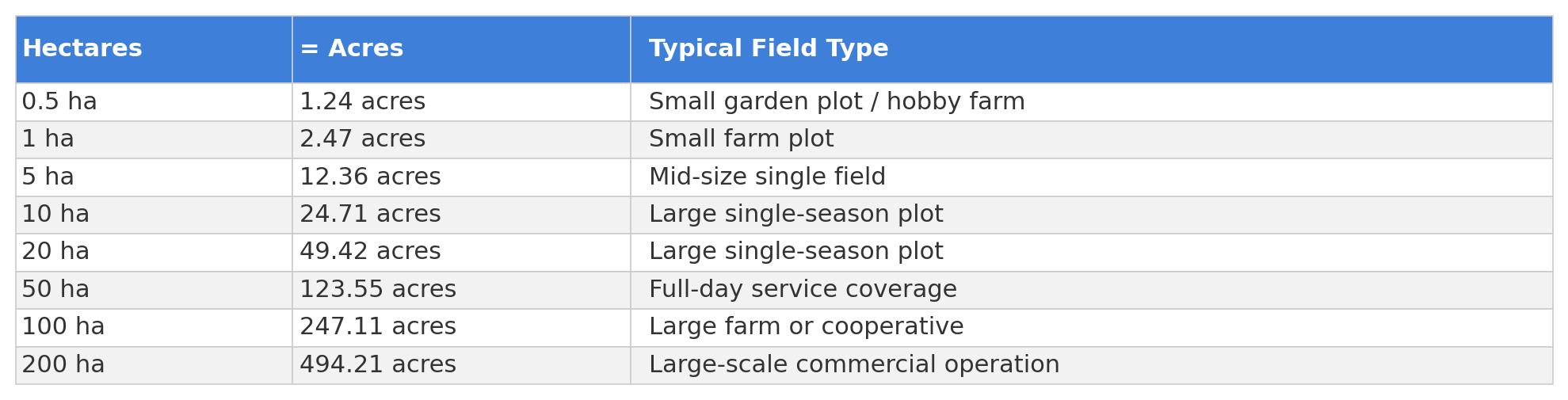
For US area measurement, 1 hectare = 2.471 acres. That's the number every agricultural buyer eventually needs, whether comparing farm sizes across countries or figuring out how much ground a piece of equipment can actually cover in a working day.
Hectares to acres
Acres to hectares
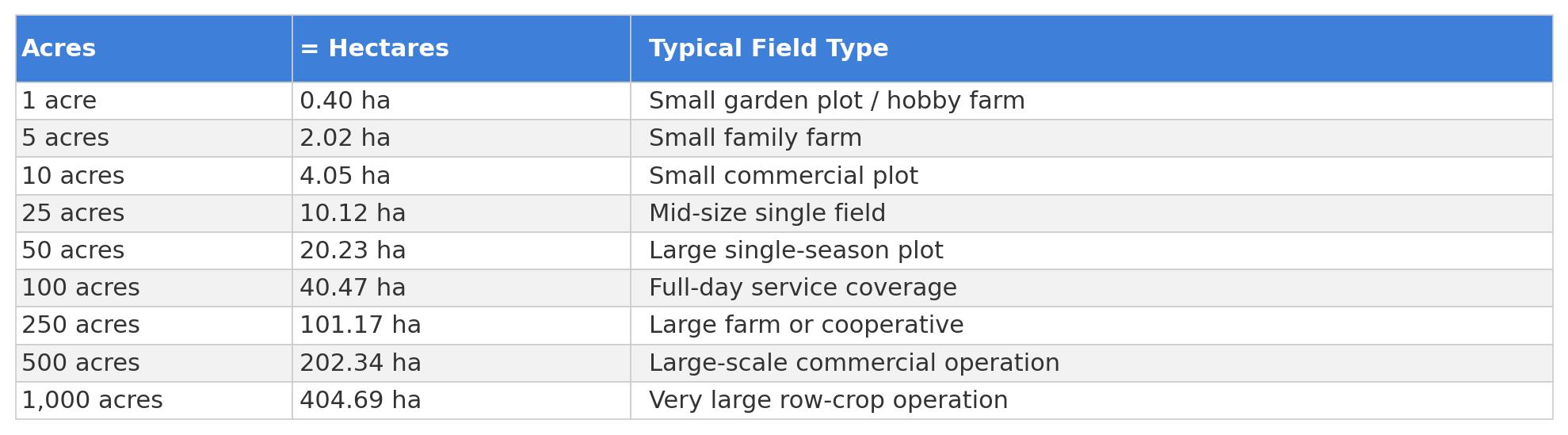
For farmers, real estate agents, and land surveyors, searching for acre-to-hectare conversions is commonplace. However, for agricultural drone buyers, this conversion is most crucial when combined with a second number: how much area can a single drone flight (or a day's flight) actually cover?
This guide aims to provide a practical platform to help users convert acre and hectare units into practical agricultural spraying plan decisions. It connects common conversion searches (e.g., 1 acre to hectare, 5 acres to hectare, 10 acres to hectare, 25 acres to hectare, 50 acres to hectare) with EFT and agricultural drone spraying parameters.
From Field Size to Flight Time: Why the Conversion Isn't the Whole Story
Knowing your field is "120 acres" or "50 hectares" only answers half the question. The real metric determining equipment costs, labor hours, and the flight time required to complete a spraying operation is coverage—the number of acres or hectares a drone can handle per hour of flight time.
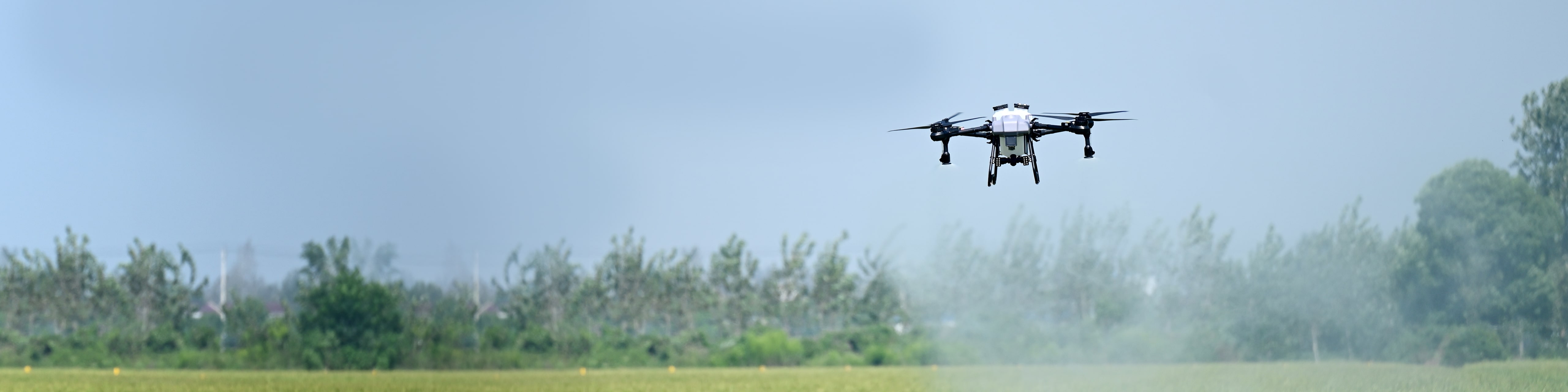
Coverage depends on the combined effect of several factors: hopper or canister capacity, spray width, flight speed, and time lost between operations for refilling and battery changes. Even if two drones have the same hopper capacity, their actual coverage can differ significantly if one has a wider effective spray width or a faster refill cycle.
Agricultural Drone Coverage Chart: Hectares & Acres Per Hour by Model
(Note: the coverage figures below are estimated ranges pending verification against EFT's tested field performance data.)

These figures represent typical field conditions and standard spray settings. Actual coverage varies with wind, terrain, crop density, and application rate.
Understanding the Units: Hectares, Acres, and What They Mean for Equipment Sizing
Different regions default to different units, and it's worth knowing which one your target market uses before comparing equipment specs:
- Hectares — the standard across Europe, China, and most metric-system countries
- Acres — the standard in the United States / UK, and common across parts of Southeast Asia and Latin America
- Conversion basics: 1 hectare = 2.471 acres | 1 acre = 0.405 hectares | 1 hectare = 10,000 m²
For agricultural drone buyers, this matters beyond simple curiosity — a spec sheet listing "20 hectares per day" needs to be translated into acres for a US-based buyer to compare it against a competing machine listed in acres, and the two numbers won't line up cleanly without the correct conversion factor.
Matching Field Size to the Right Agricultural Drone Frame
Field size is the starting point for equipment selection, but it's not the only variable. Terrain, crop type, and whether the operation needs a dedicated machine or a shared multi-purpose platform all factor into which agriculture drone frame makes sense.

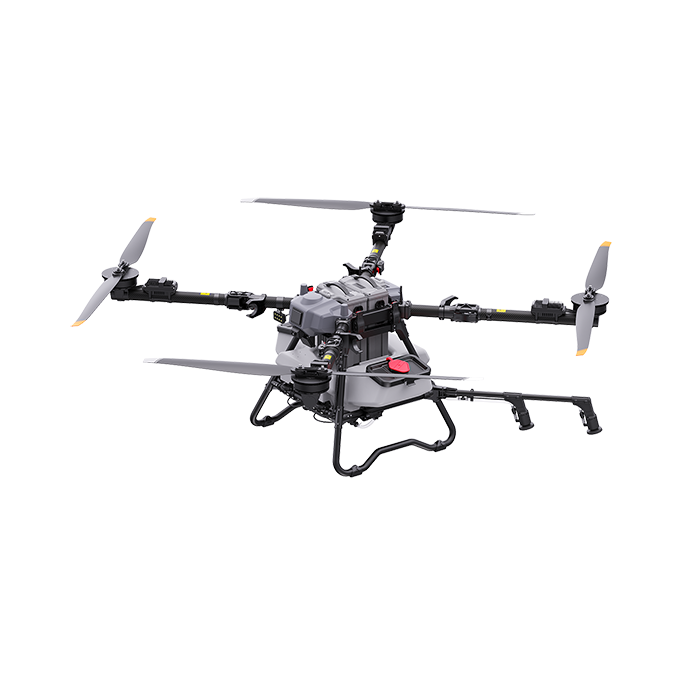
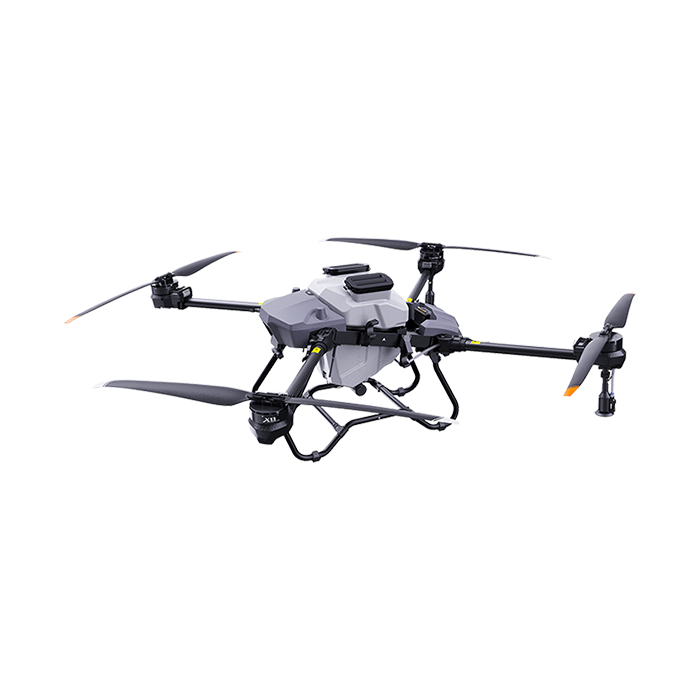
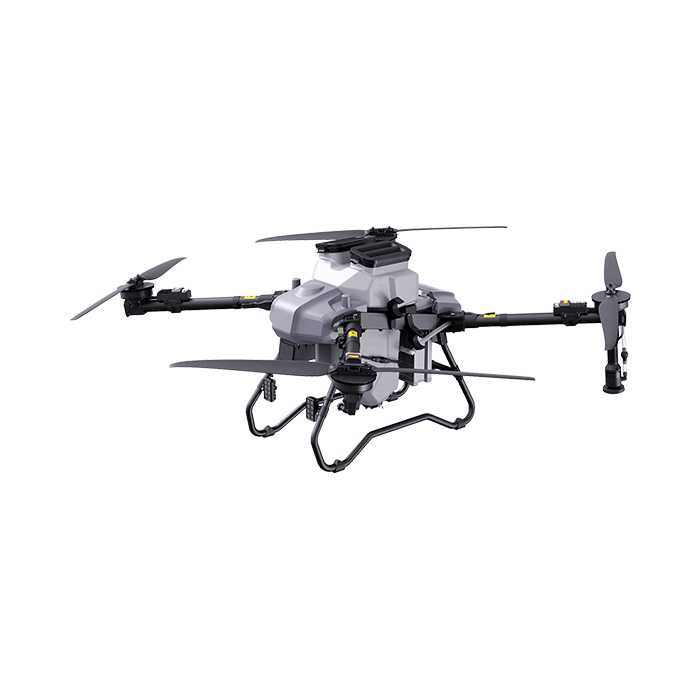
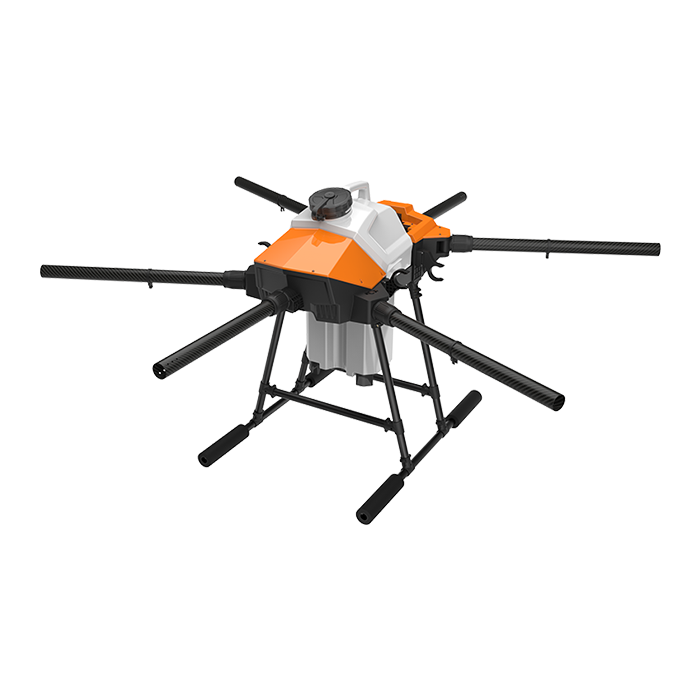
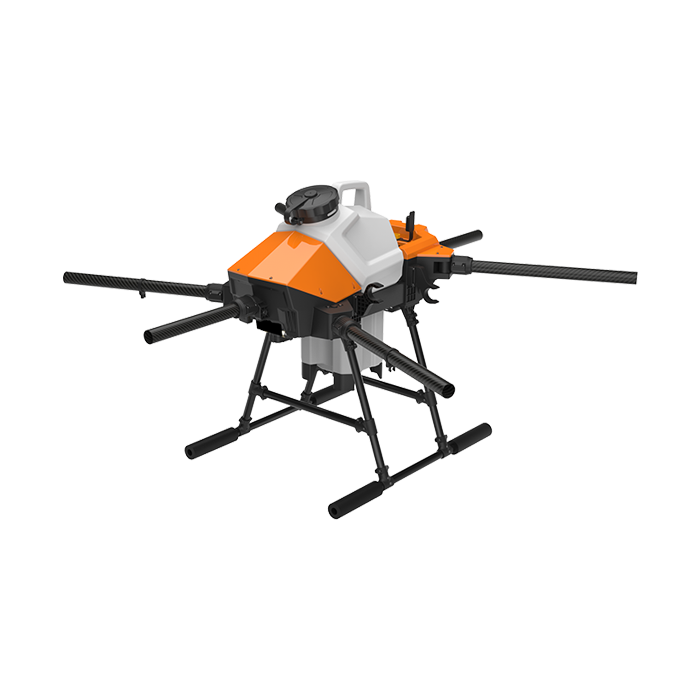
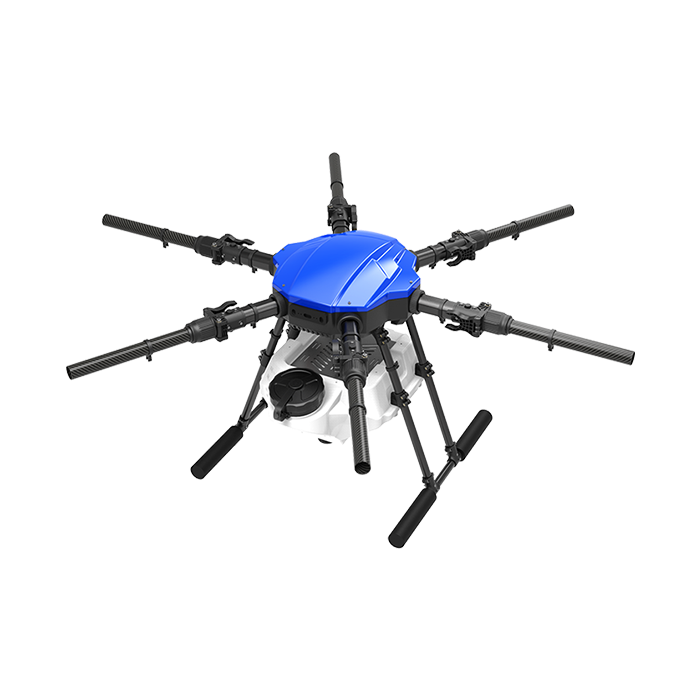
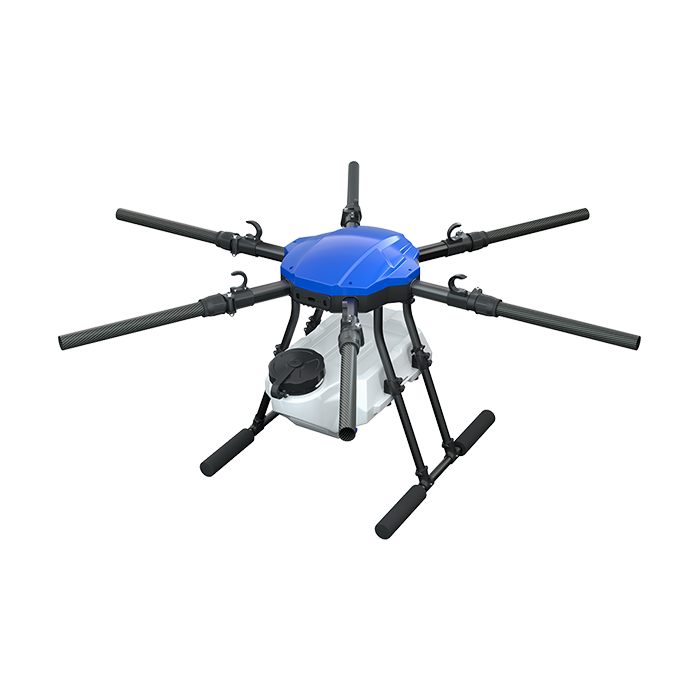
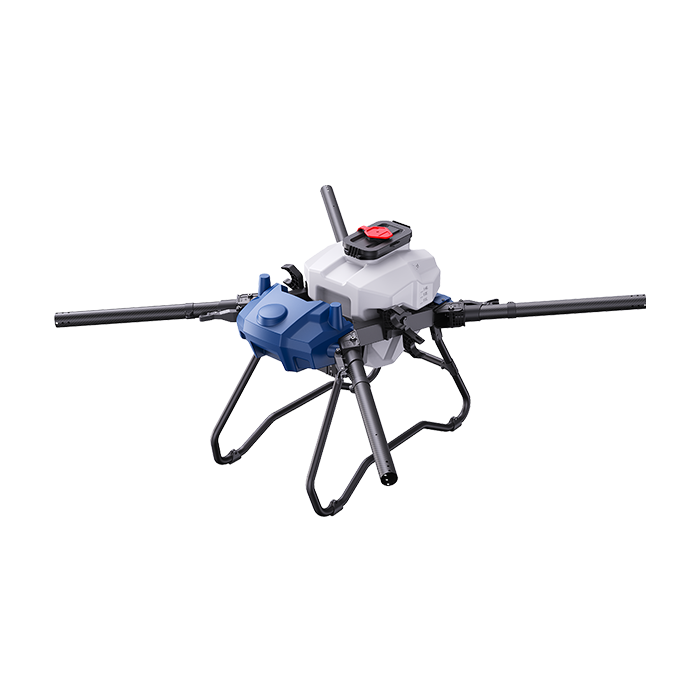
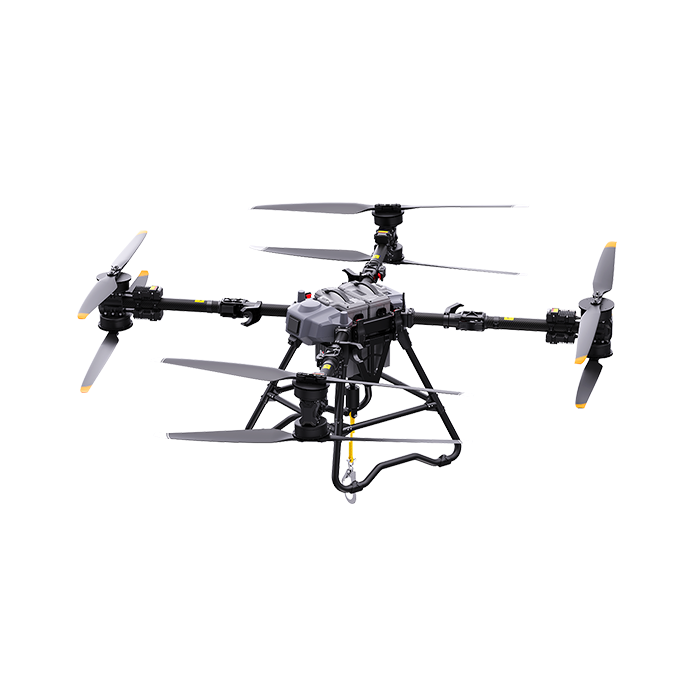
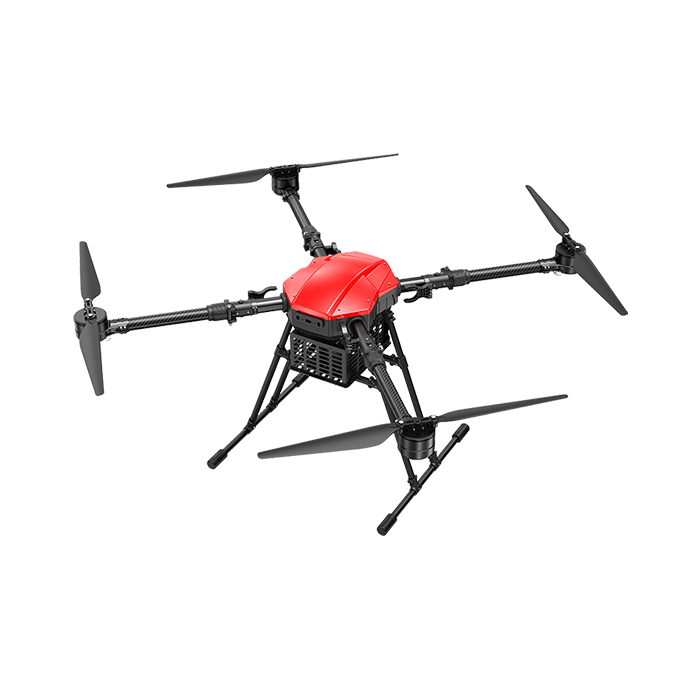
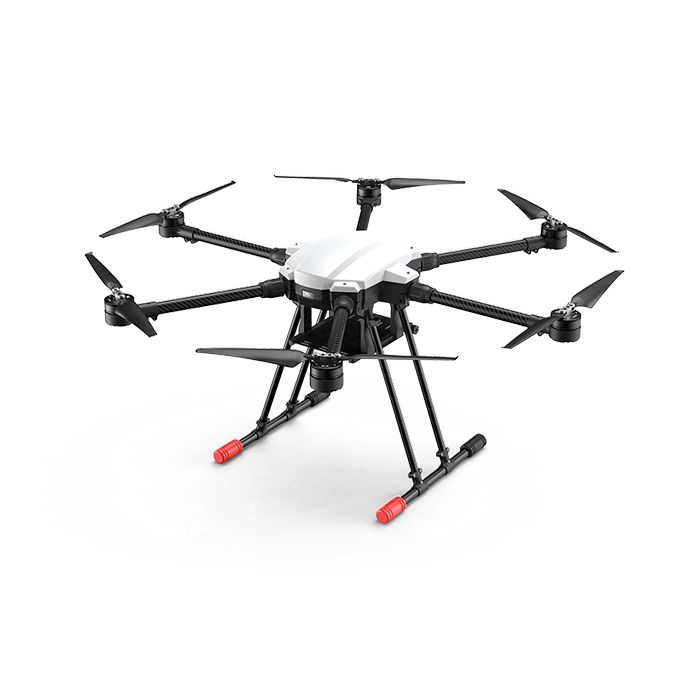
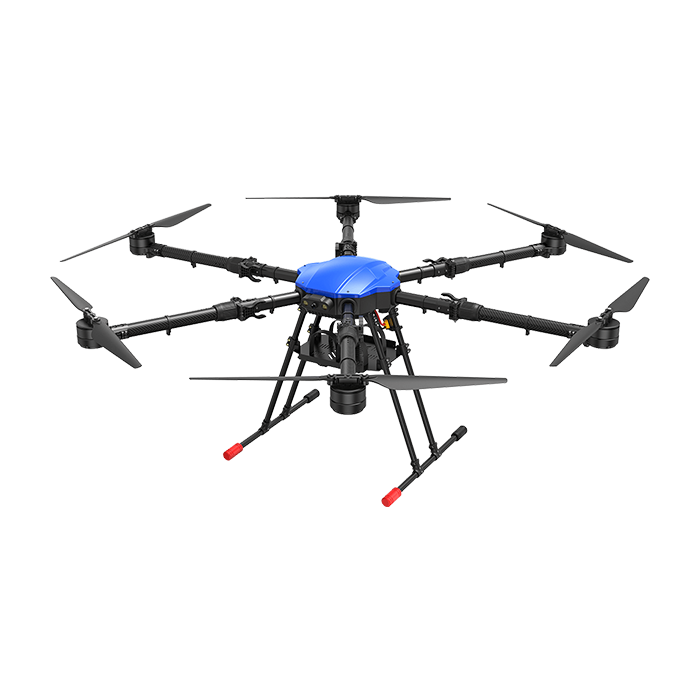
A common mistake is sizing equipment purely around the largest field in a farm's rotation, when most agricultural operations manage a mix of plot sizes across a season. A large agricultural drone like the Z80 makes sense when large-plot coverage is the majority use case; a mid-size platform like the Z30P/Z50P often delivers better cost efficiency when field sizes vary.
Frequently Asked Questions
Q: How many acres is 1 hectare?
A: 1 hectare equals 2.471 acres.
Q: How many acres can an agricultural drone spray in a day?
A: This depends on the model, tank capacity, and field conditions.
Q: What size drone do I need for a 10-hectare farm?
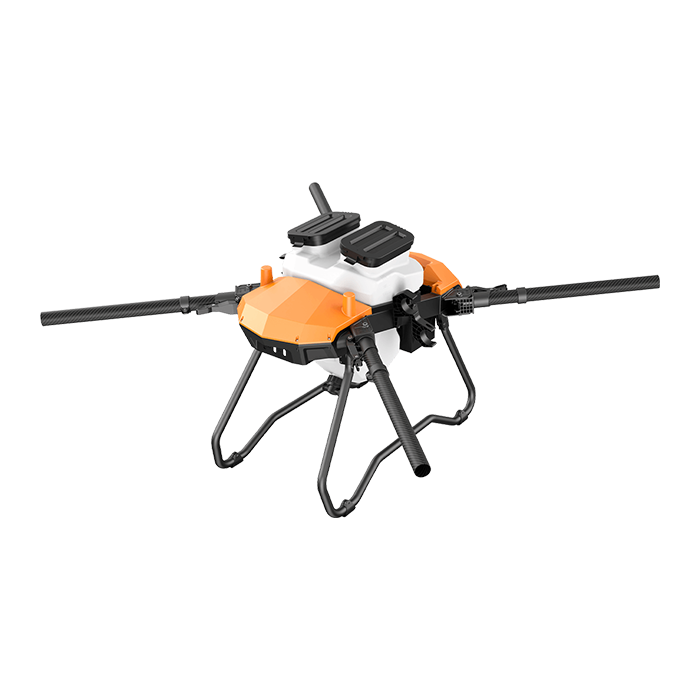
A: A 10-hectare (about 24.7-acre) farm typically falls in the mid-size range, where platforms like the Z30P/Z50P or GX series offer a practical balance of tank capacity and maneuverability.
Q: Is a bigger tank always better for large fields?
A: Not necessarily. Larger tanks mean fewer refill stops, which helps on large, unbroken plots, but they also add weight, which can affect flight time and maneuverability on smaller or irregularly shaped fields.
Q: How does terrain affect coverage per hour?
A: Sloped, hilly, or irregularly shaped fields typically reduce effective coverage compared to flat, uniform plots, since flight paths become less efficient and speed often needs to be reduced.
Q: Can one drone handle both small and large fields?
A: Multi-mission platforms with modular tank or hopper options can cover a range of field sizes, but operations with a wide mix of very small and very large plots sometimes benefit from matching different models to different parts of the rotation.
Choosing the Right Model for Your Operation
Converting hectares to acres is simple math. Choosing the right agricultural drone for your actual field size, terrain, and season-long workload takes more than a conversion factor — it requires matching tank capacity, coverage rate, and frame durability to how your operation actually works across a full growing season.
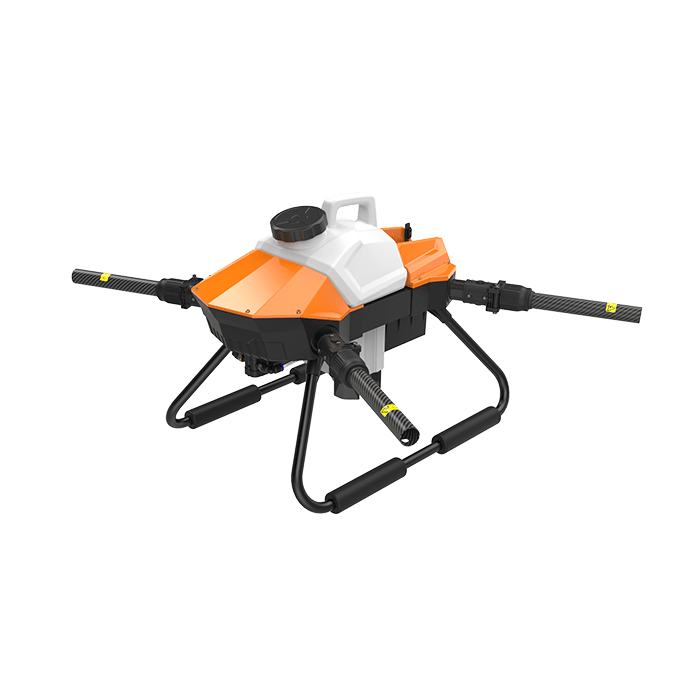
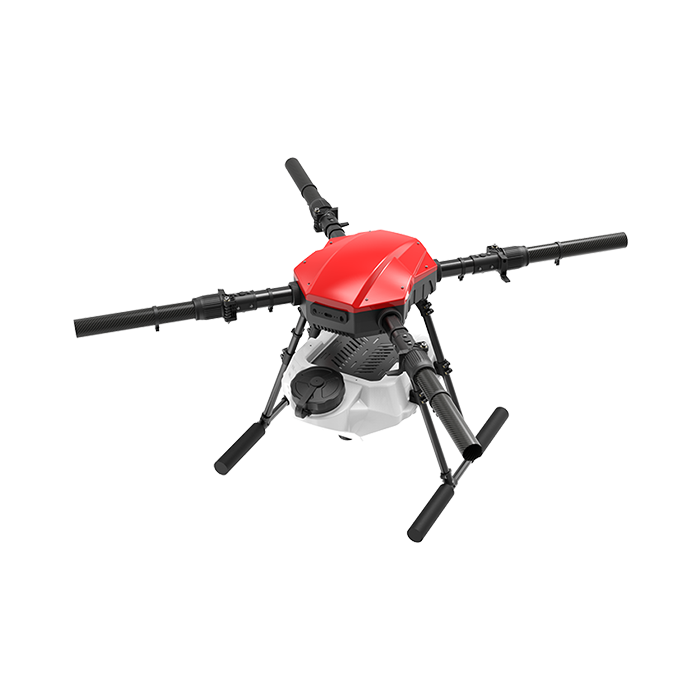
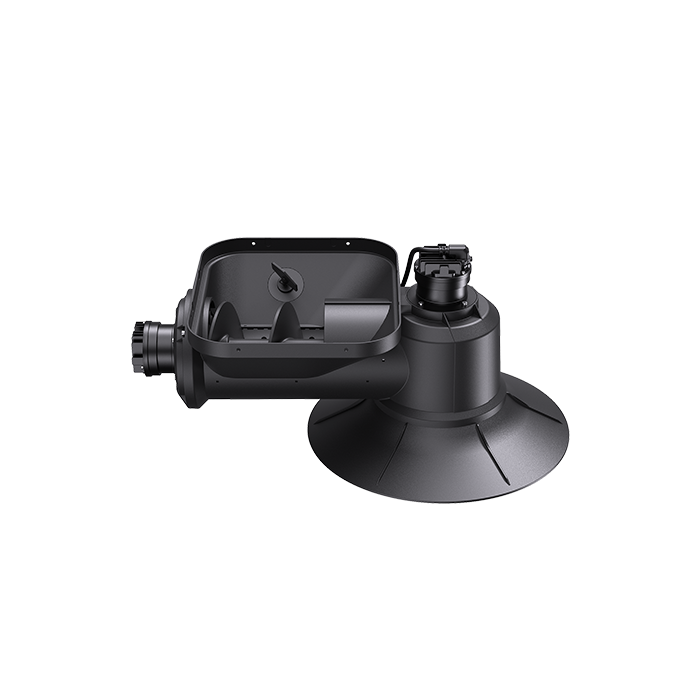
EFT offers a full range of agricultural drone frames, from compact platforms suited to small plots up through the Z80 for large-scale, high-volume operations. Explore the full model lineup or contact us for a recommendation based on your specific field size and application needs.